A century of concrete,
digitised
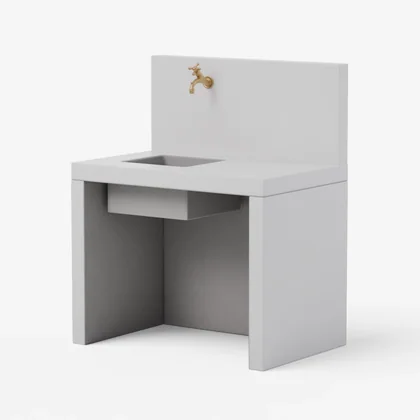
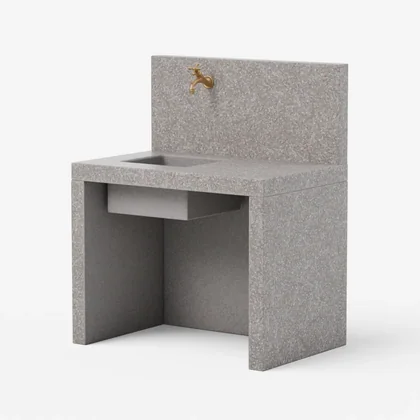
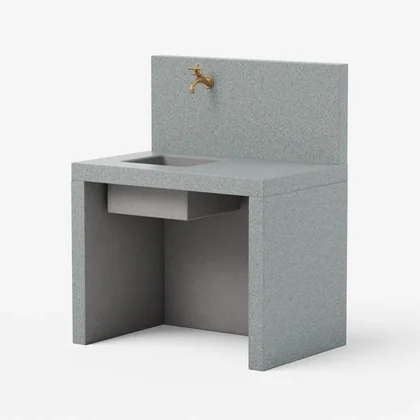
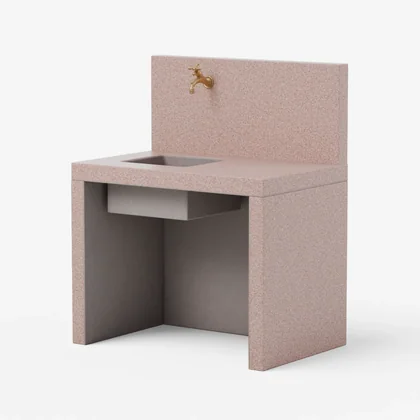
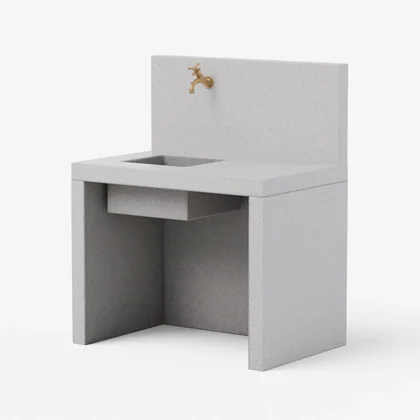
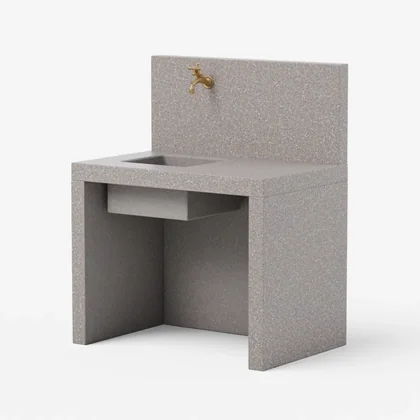
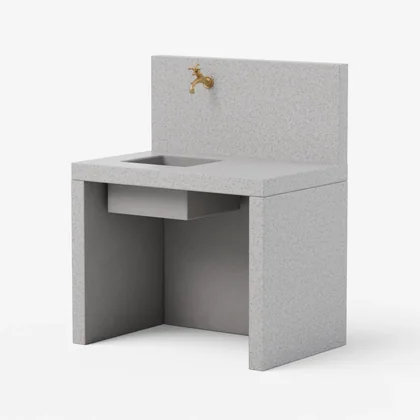
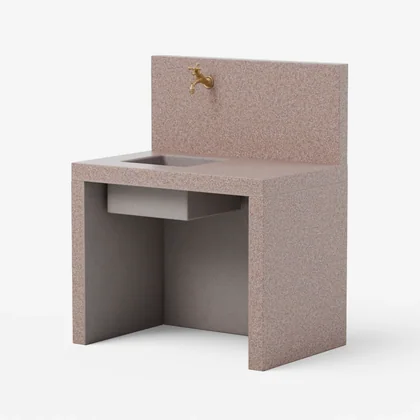
150 products, each in 16 finishes. 2,400 combinations that cannot be photographed: most are made to order and never stand in the same place at the same time.
150 products · 16 finishes · 2,500+ renders
Who Pučko are
Pučko d.o.o. is a Slovenian manufacturer of concrete products with more than a century behind it, founded in 1920. Two lines: a garden range for consumers — basins, troughs, raised beds, fireplaces and vineyard posts — and street furniture for the public sector: bins, benches, drinking fountains and New Jersey barriers. Their own concrete plant. Clients include DARS, the City of Ljubljana, Petrol and Calcit.
150 different products, each available in 16 variations of material and colour. That is 2,400 possible combinations. Photographing every one is impossible both physically and financially: each is a heavy concrete piece that would have to be cast, moved into a studio and lit. Meanwhile the sales team worked out of spreadsheets, assembling quotes by hand. Most products are made to order, so they cannot even be gathered in one place for a single shoot.
Digitising the entire catalogue
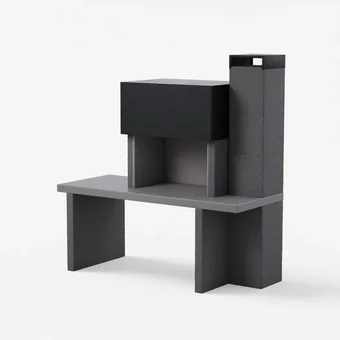
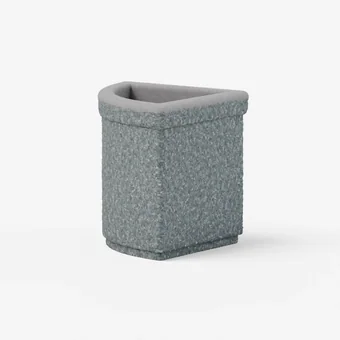
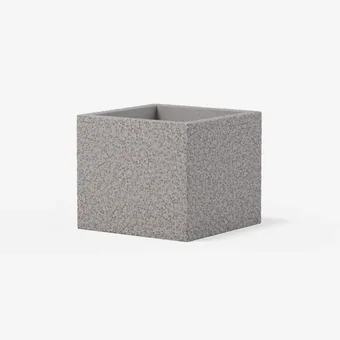
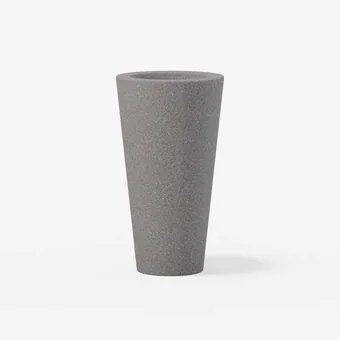
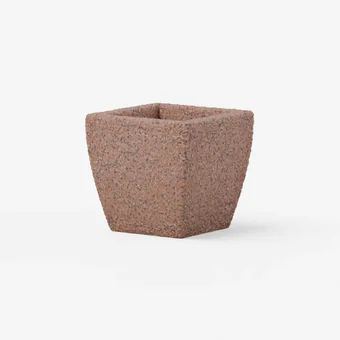
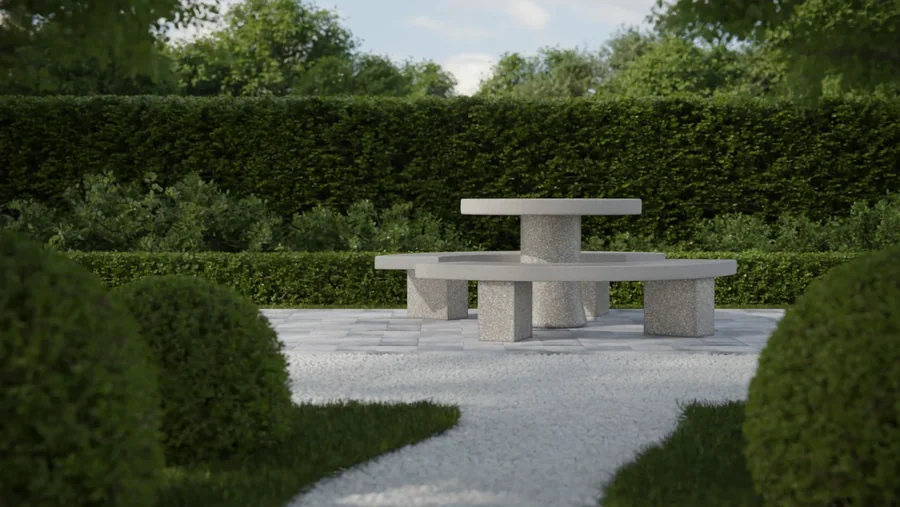
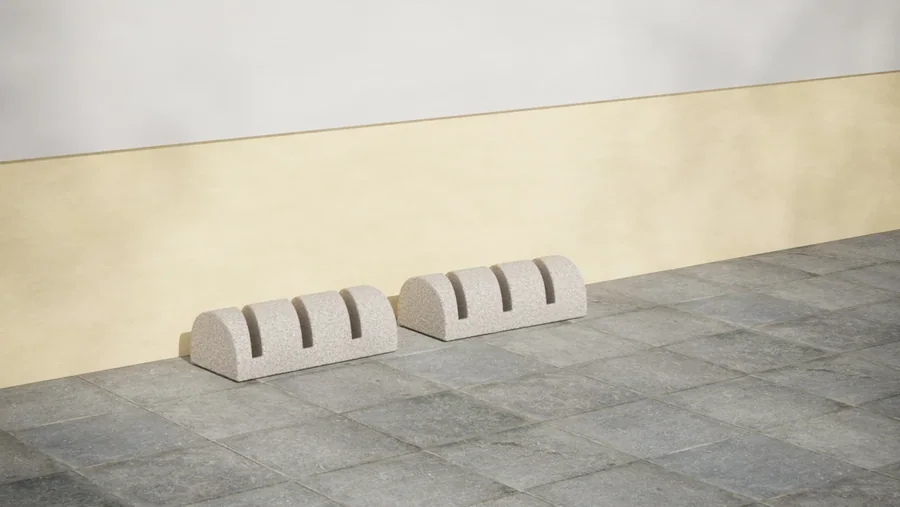
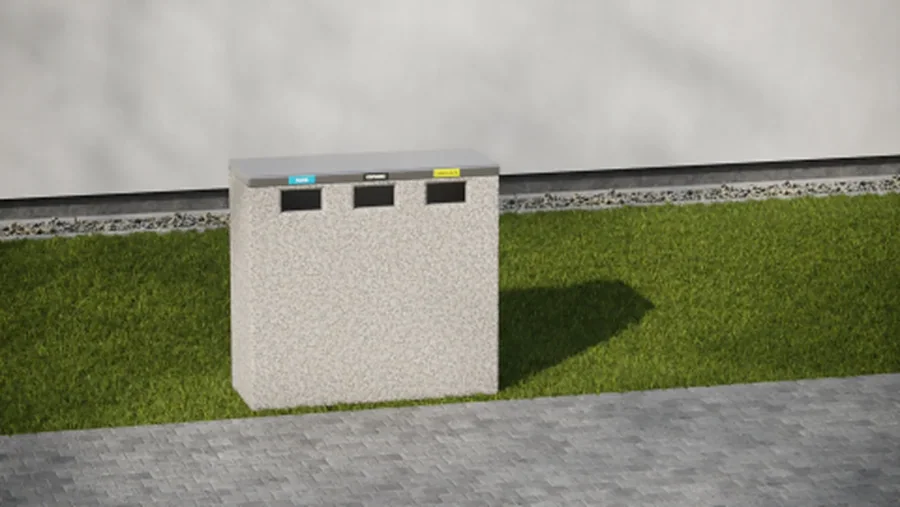
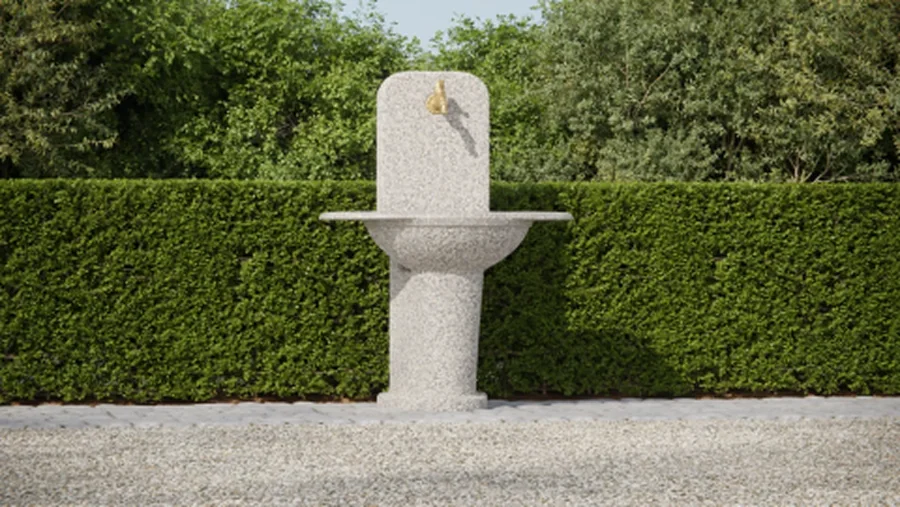
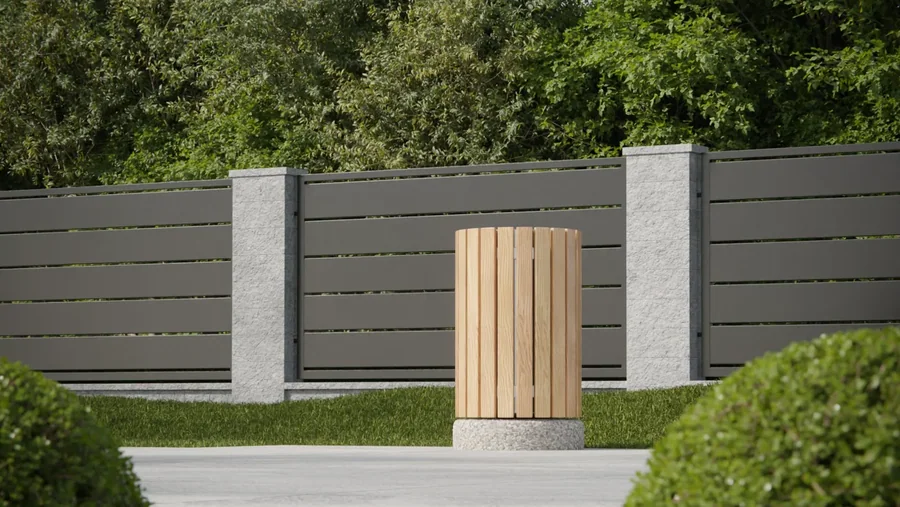
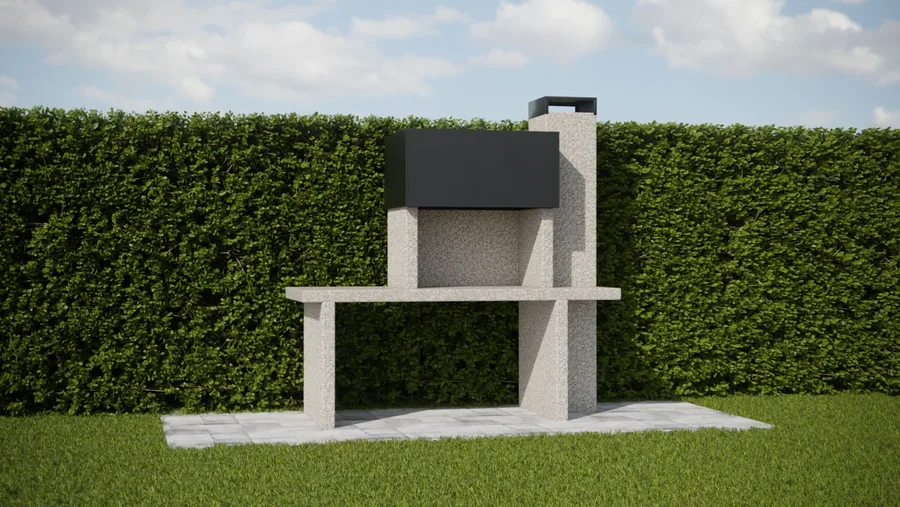
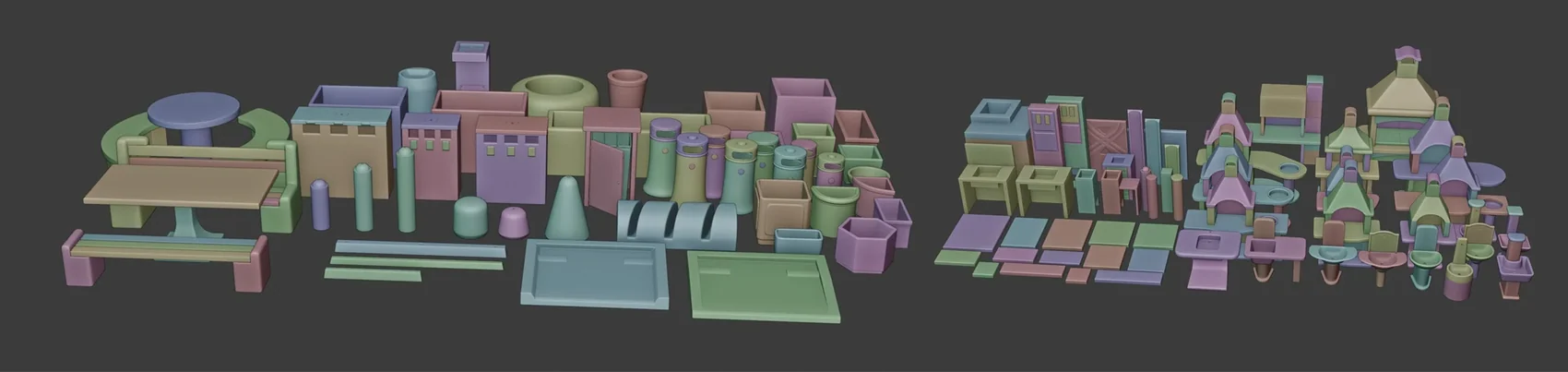
Around 80% of the products were modelled in 3D from scratch, from photographs and technical drawings. The geometrically harder pieces were 3D scanned and the scans cleaned up into production-usable models. Everything else comes out of those same models: previews for approval, studio renders for the catalogue and settings in context.
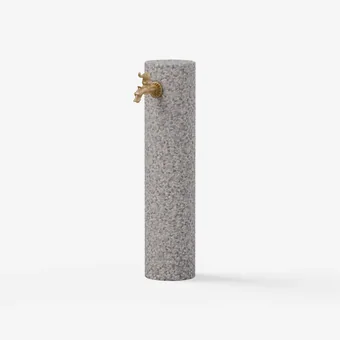
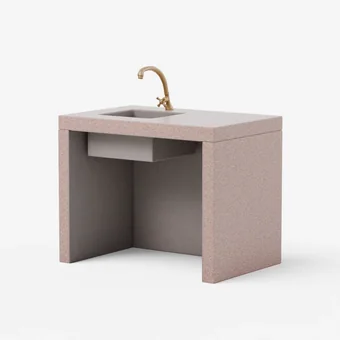
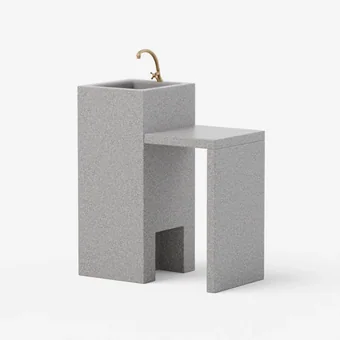
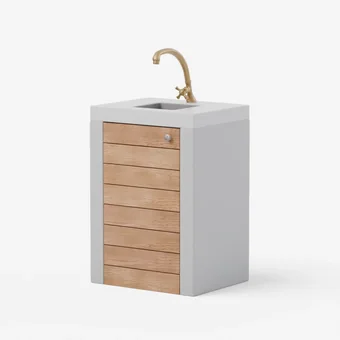
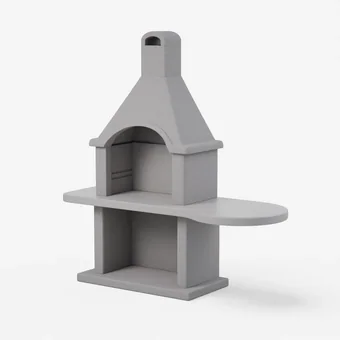
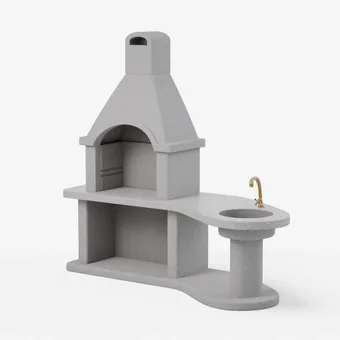
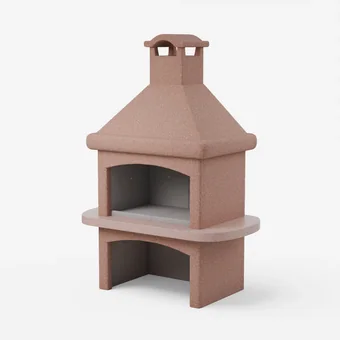
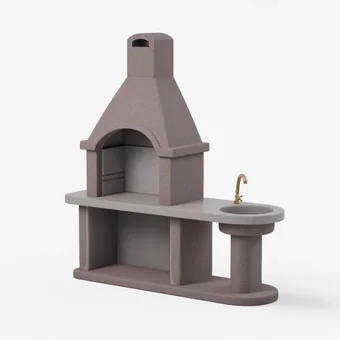
Studio renders for the catalogue


Products in context
Every model, before texturing
Capturing the materials
Every concrete behaves differently: black, green, standard. The company prepared samples of every finish, we scanned them and built a material library that matches the real product to the touch. Each finish exists rough and ground; grinding opens the aggregate and shifts the tone, so those are two different products and not two images of one.
An automated pipeline
Instead of rendering each combination by hand we built a system that generates product × material × colour × angle automatically. The set-up, the light and the framing are decided once, then the whole catalogue passes through them. The system also names each render by an agreed key and files it in the right folder, so every image is usable immediately, with no sorting and no renaming. The result is 2,500+ renders and a system that adds a new product without redoing the work.
A sales platform
An application with more than twenty functions, covering not only sales but the warehouse and delivery too. It holds every product, price, finish and calculator. A salesperson builds a quote, copies it as a single block and pastes it into an email; out comes a formatted quote with images, finishes, quantities and totals, with nothing retyped and no spreadsheet.
The catalogue online
The whole catalogue on the web: 65 products with filters by category, finish and price, each with its own page, its choice of finishes and its prices. The same renders that drive the printed catalogue drive the store, so the two always agree. Data sheets and installation instructions for the full portfolio sit alongside them.
Rebrand
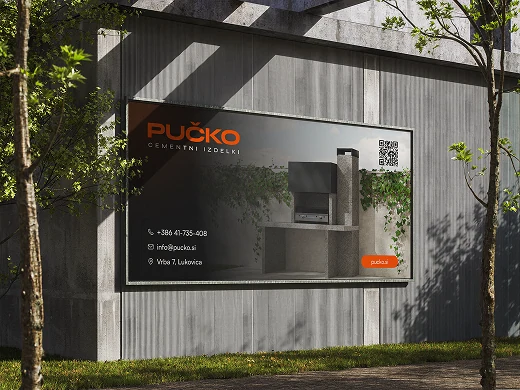
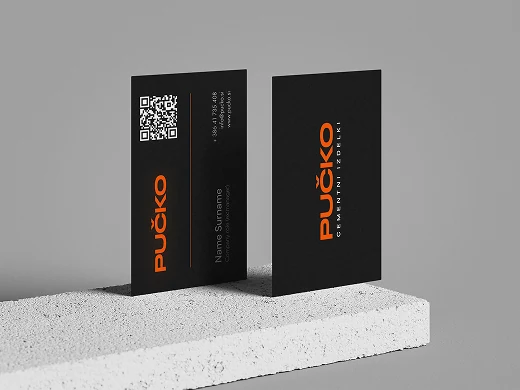
A company with a hundred years behind it had a brand that did not carry any of it. The aim was to refresh the view: that a person sees from the mark alone that something has moved, and then finds, going further, that the whole company has gone up a level. The new brand stands on three things — one mark, one colour, one typeface. International Orange carries all the energy; black and white carry everything else.

The whole catalogue exists visually: every product in every finish, including combinations the plant has never cast.
The price list is current and simple to use, and sales, the warehouse and the website all read the same data, so nothing is retyped and nothing drifts apart. Analytics run alongside it, and the system extends itself: a new product goes through the same pipeline and appears everywhere at once. The work continues daily.