Six days
to the fair
Five product demos needed, six days to make them.
6 days to the fair · 5 demos needed
Who Optomotive are
Optomotive mechatronics. FPGA-based industrial programmable high-speed cameras and LOM series 3D smart sensors, up to 100,000 frames per second. They sell to equipment manufacturers and system integrators.
Six days to the fair and five product demos needed. A camera is a black box with a lens: what separates it from the competition is either inside the housing or only happens once the sensor is working. A photograph shows neither, and at a fair it has to be explained to a passer-by in seconds.
The Smilodon 10G EVO, explained without words
A product film for the high-speed smart camera. The housing introduces itself on a turntable, then the things a photograph cannot hold get their turn: Gpixel GMAX25xx sensors in mono and colour, from 5 to 25 MP and up to 290 frames per second, 1 or 10 gigabit Ethernet SFP+, 4 GB of DDR4, and an FPGA on an AMD Zynq UltraScale+ MPSoC or AMD Kria K26 SOM that the user programs themselves. The figures are animated beside the part they belong to, not underneath the product, so each number is read on the thing it describes.
Renders from the same model
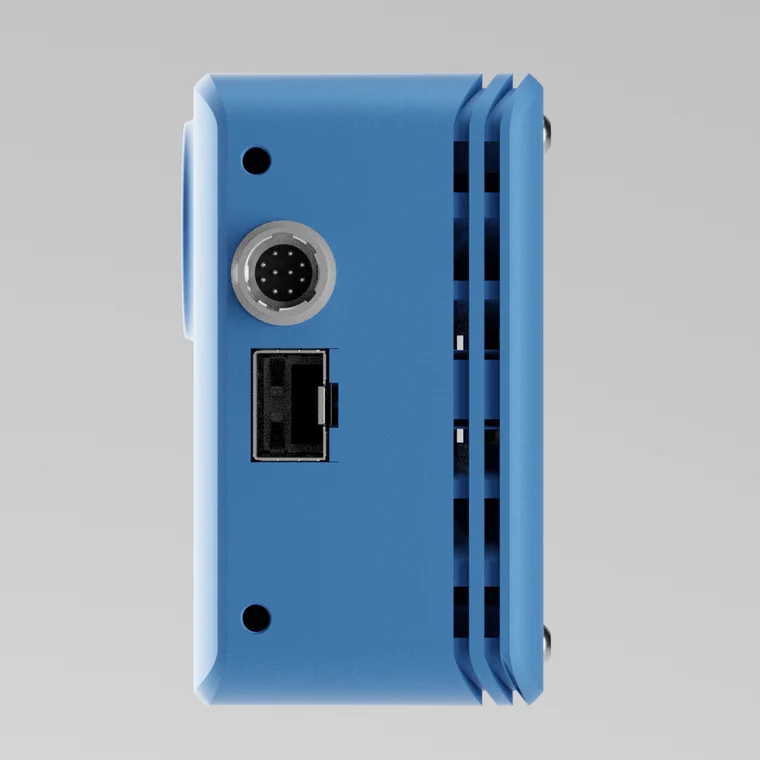
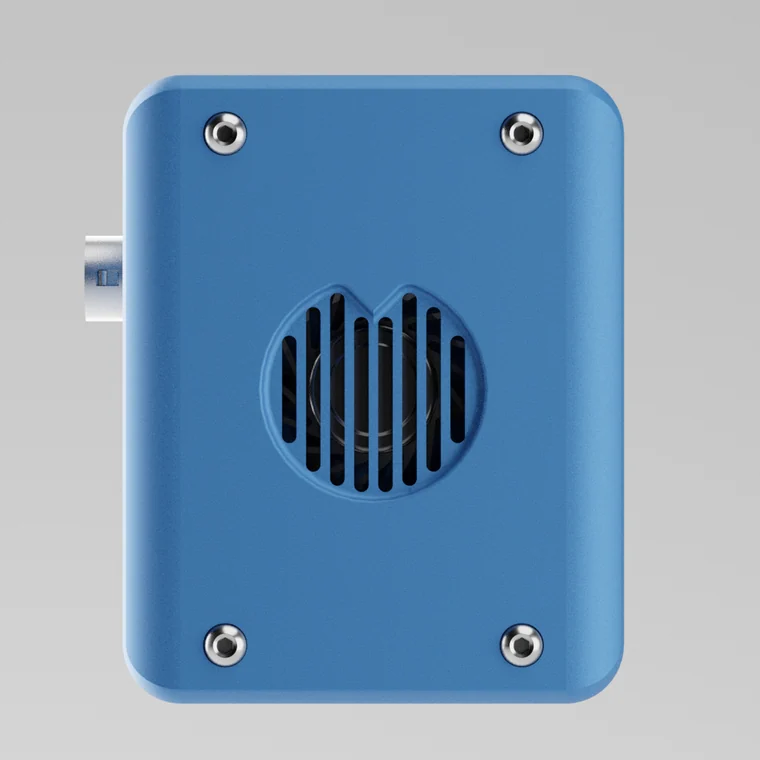
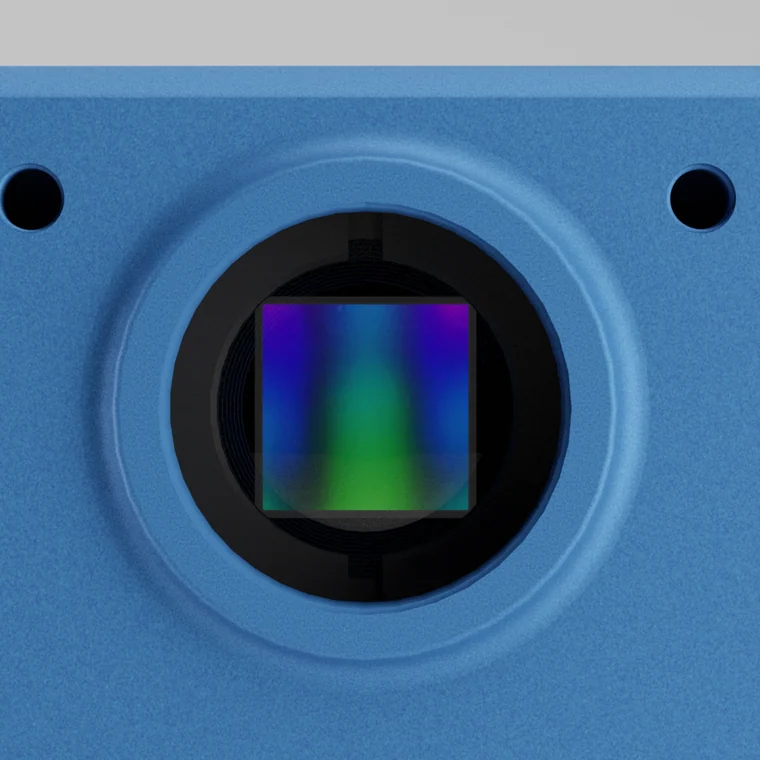
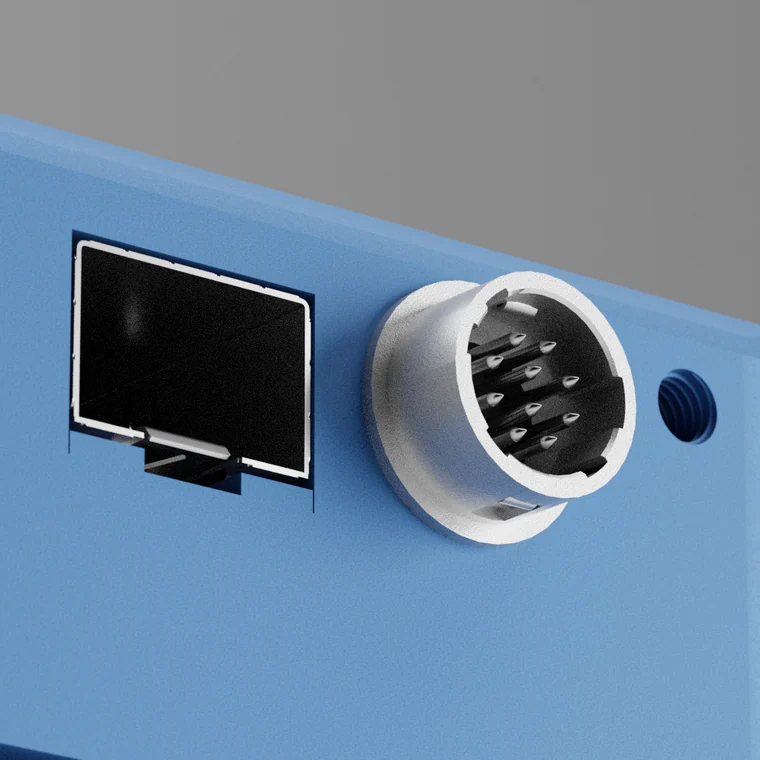
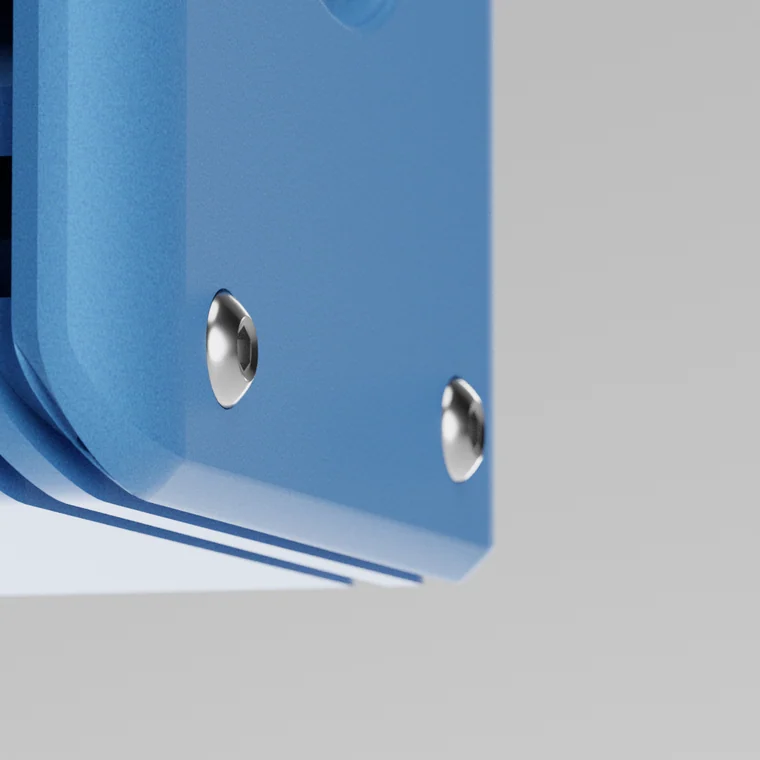
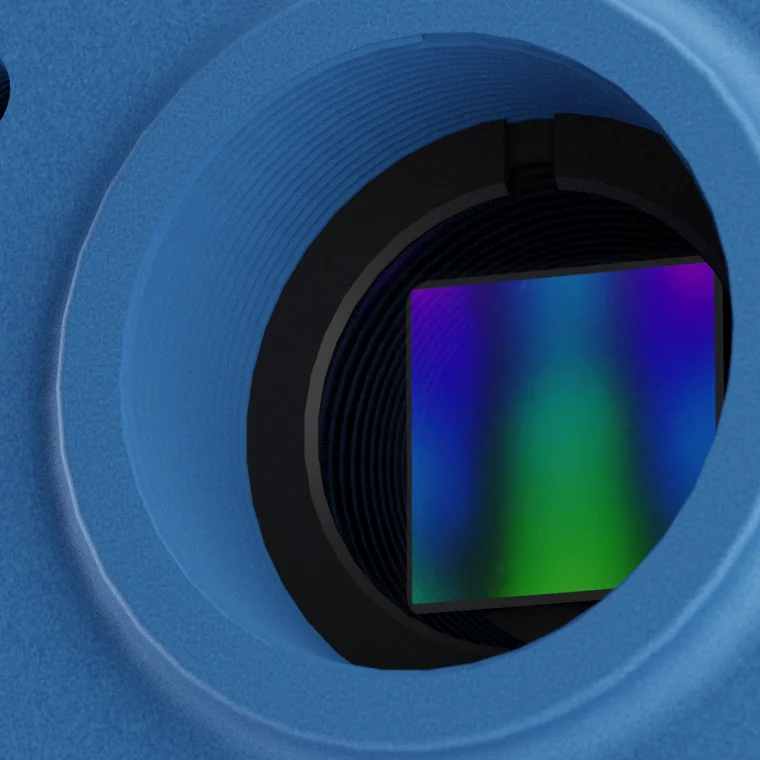
The model that drives the animation also yields a still series: four views of the housing and four close-ups that go where a camera lens cannot. The sensor behind an open bayonet, the power and data connectors, the cooling fins on the back. Because the model is the same one used in the film, the images and the film agree with each other.
Views of the housing
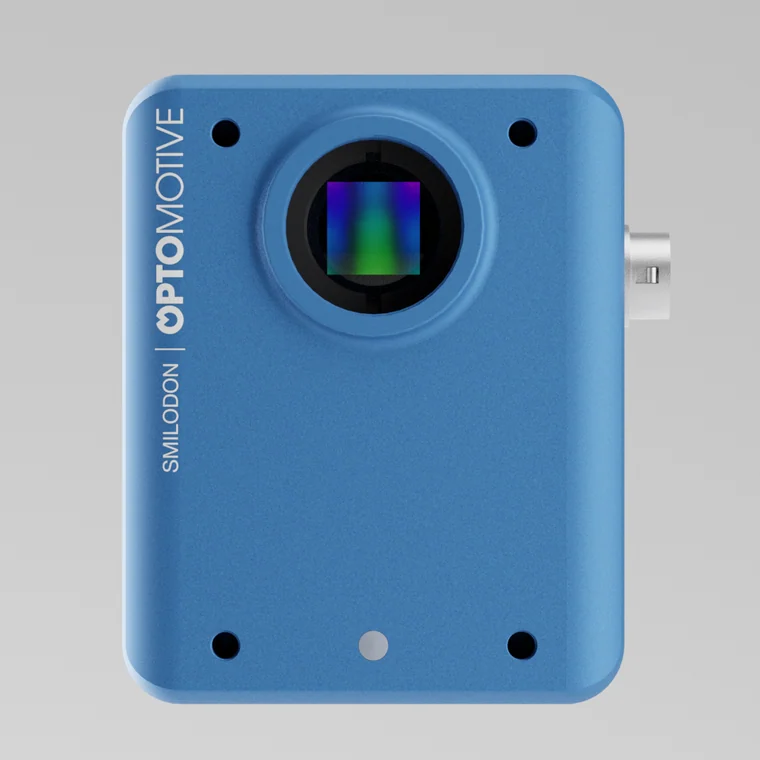
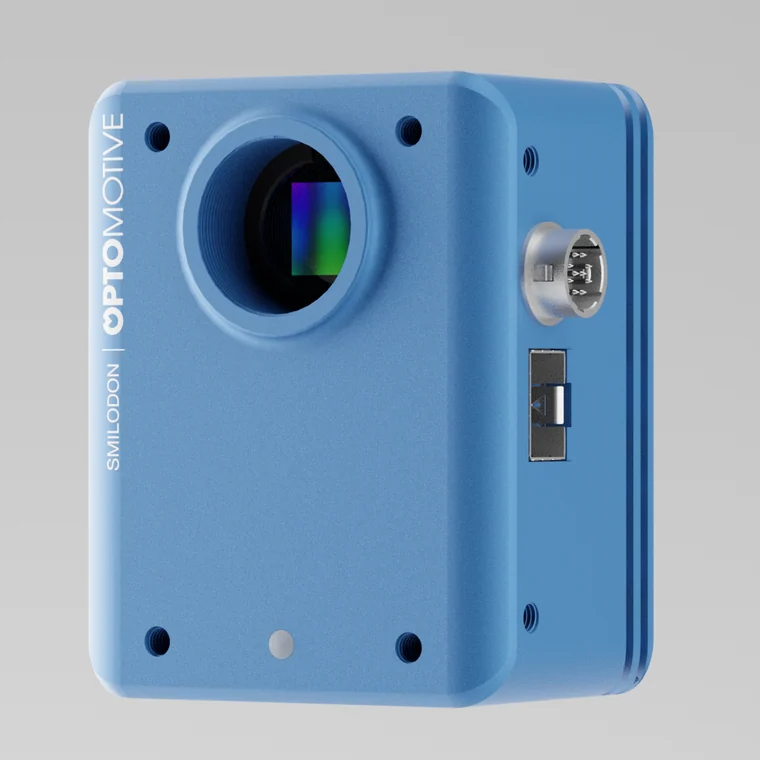
Details
The LOM series: a sensor has to be seen working
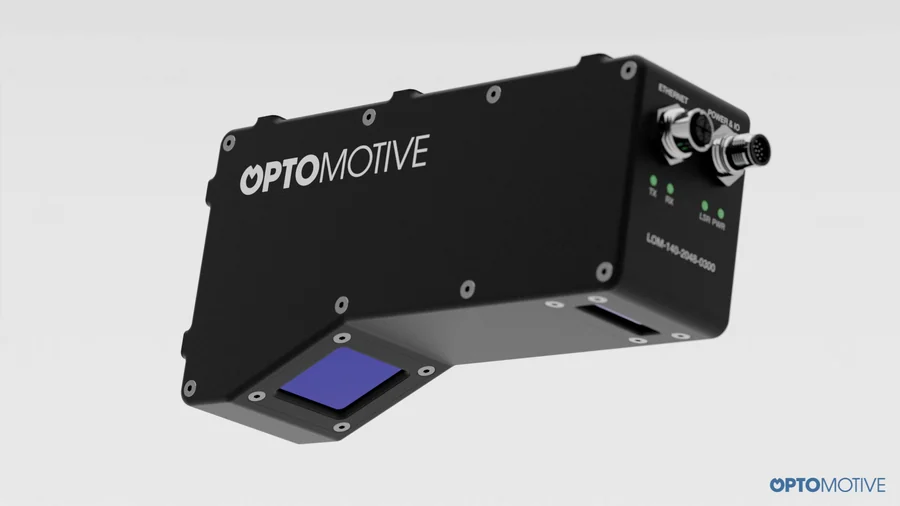
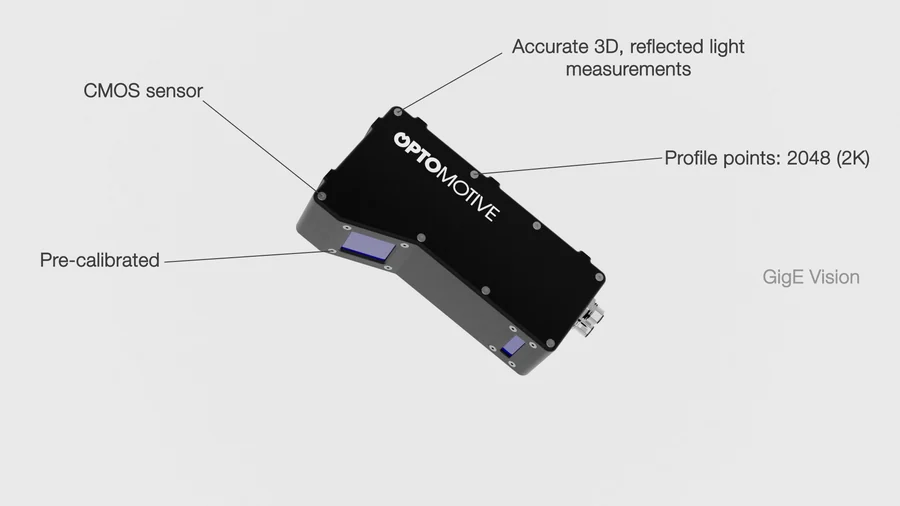
3D line profile sensors measure by laser triangulation — a principle a still image cannot show. So the film performs it: the sensor above a table, the laser plane crossing an object, the profile growing into a 3D form on screen as it goes. Alongside it are the labelled components and the figures a sensor is chosen on: up to 10 kHz in a reduced ROI, 2,048 points per profile, factory calibration, four models from LOM025 to LOM220.
From the same film