Light
you can measure
Seven ranges of solar luminaires, each in four finishes, every view four times over. Photographing that matrix means putting every pole in a studio and then repainting it three more times.
236 studio renders · 46 IES files
Who First Light Technologies are
Victoria, British Columbia. North America's leading manufacturer of solar lighting for public spaces: bollards, street and car park lighting. More than 17 years and 50,000 lights installed. Customers include NASA, the US military, the National Park Service, the City of Los Angeles and Intel.
At the rebrand the existing photography was not of studio quality, but the real problem was scale. Seven ranges, each in four finishes, and each range needs six to nine views: the whole product, the head, the solar panel, the LED module. That is 236 frames, every one of which would mean physically producing each pole in four colours and setting it up and lighting it again for every view. And then there is what a camera cannot do at all: how the product lights the ground once it gets dark.
Seven ranges, nine sets
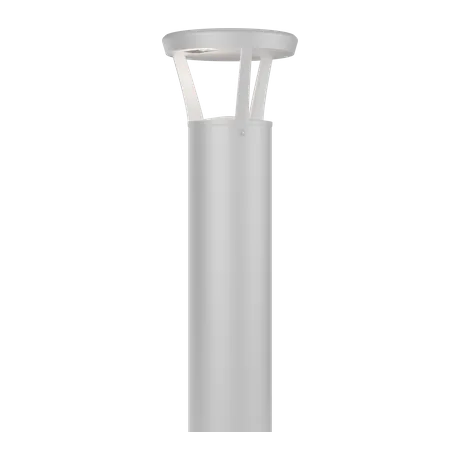
236 studio renders at 4320 × 4320 on transparent backgrounds. Seven ranges across nine sets, because the BFL and the RSL each have two builds: the BFL with street and area optics, the RSL with top-of-pole and tenon mounting beside it. One range stands below. The set-up, the light and the framing are decided once and the whole portfolio passes through them, so the ranges are comparable to the millimetre rather than merely shot similarly.
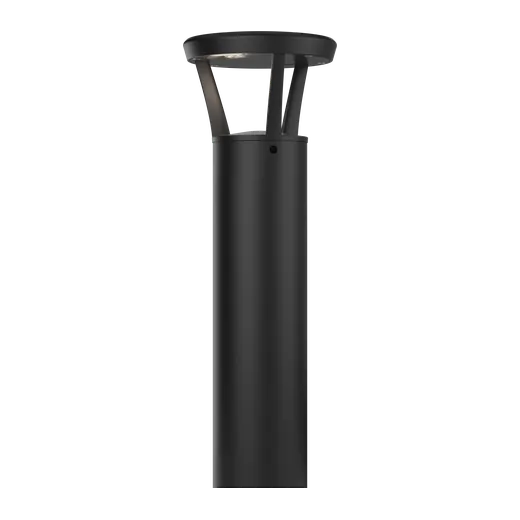
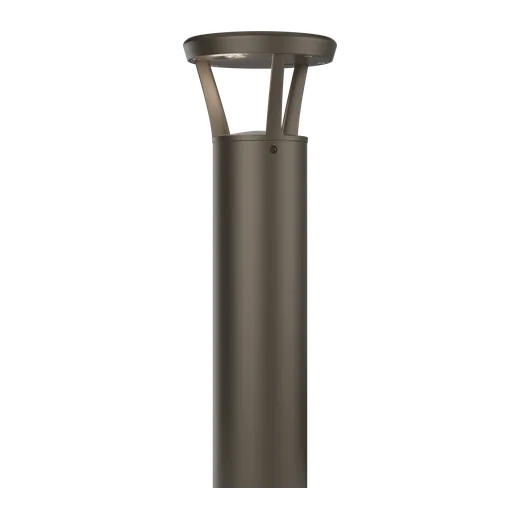
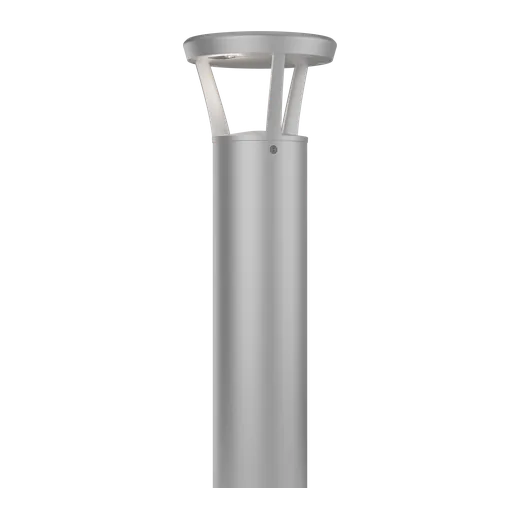
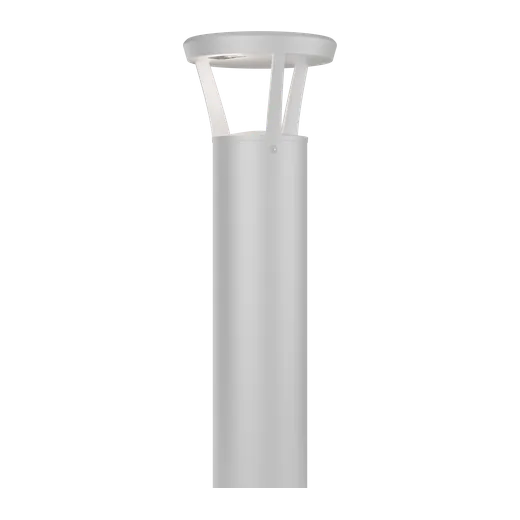
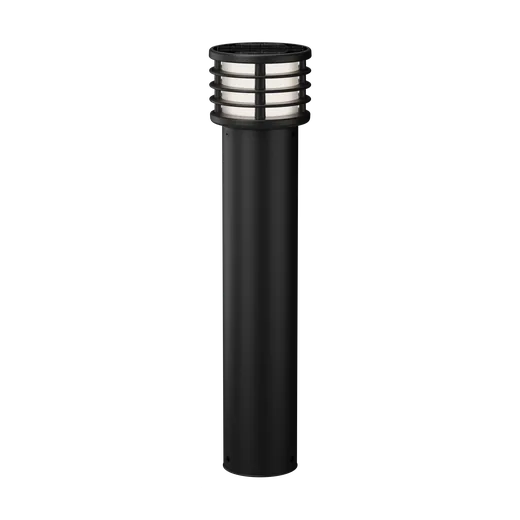
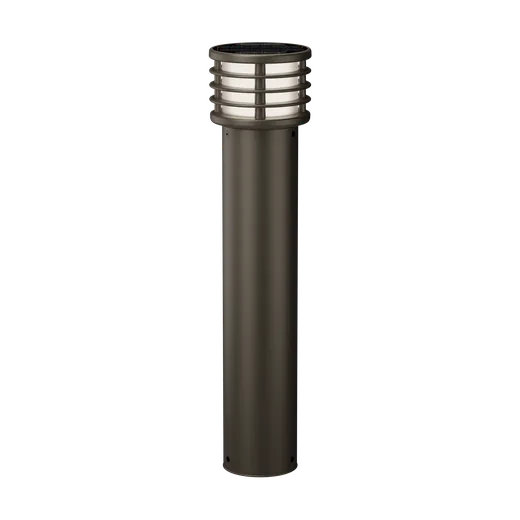
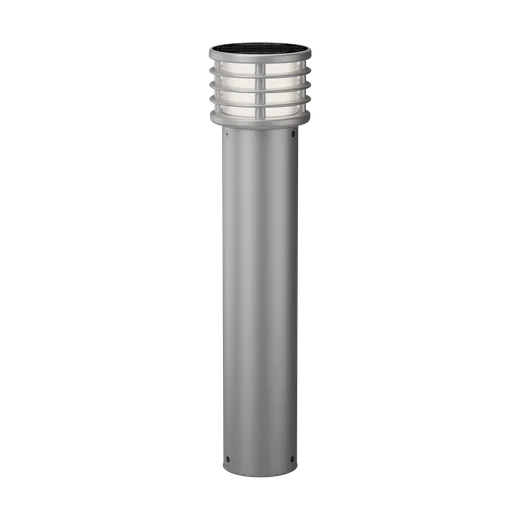
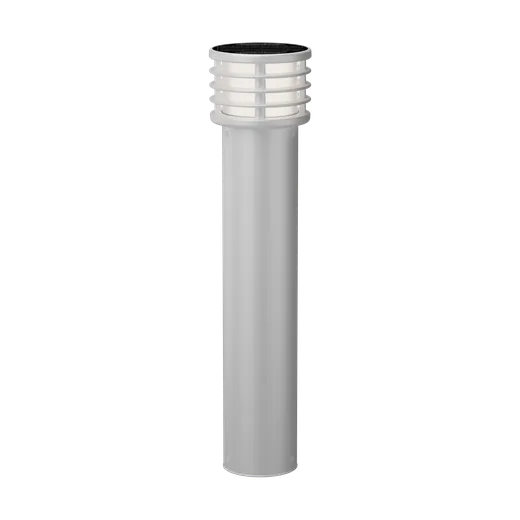
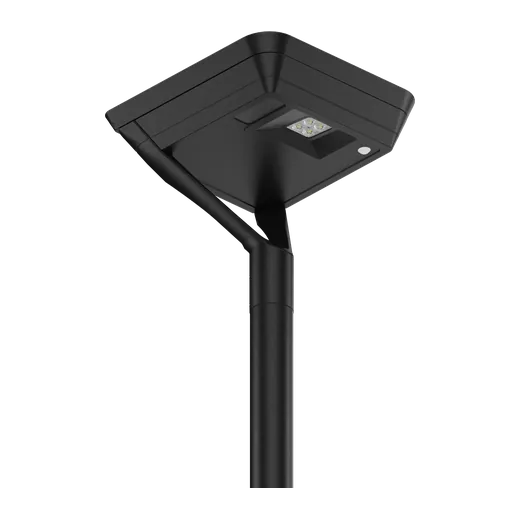
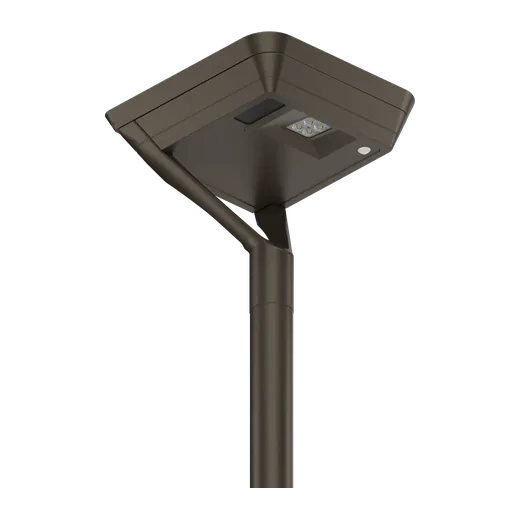
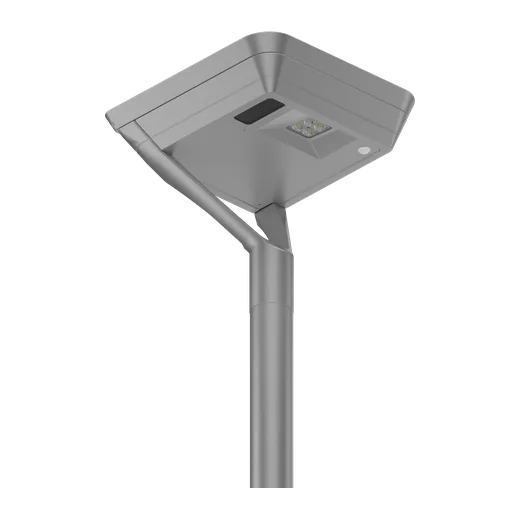
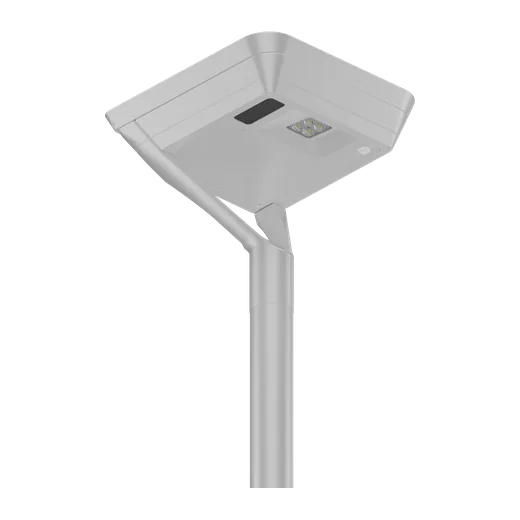
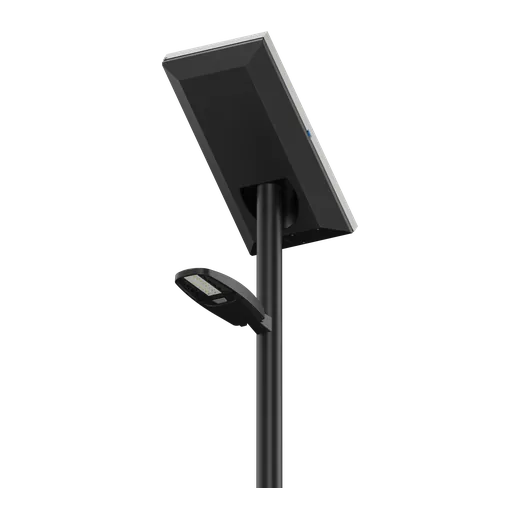
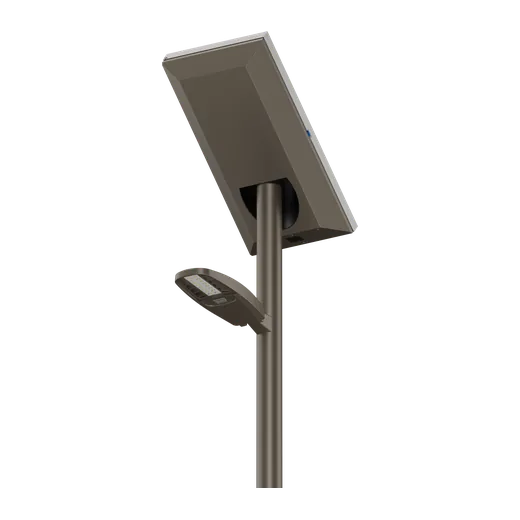
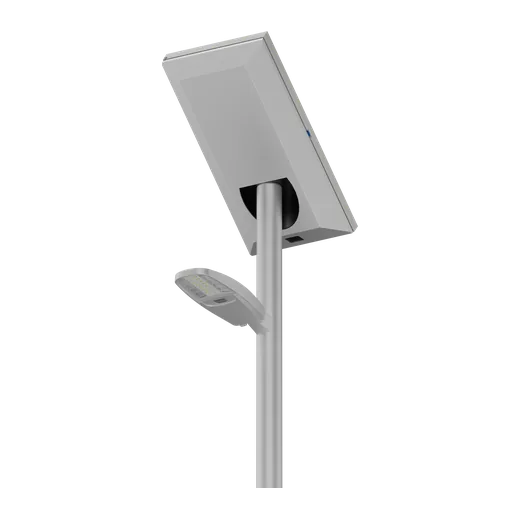
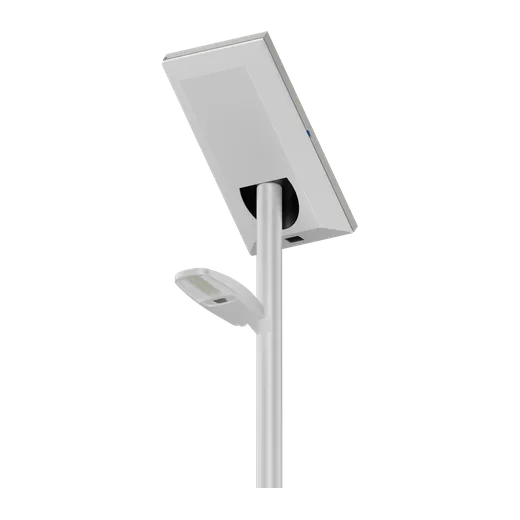
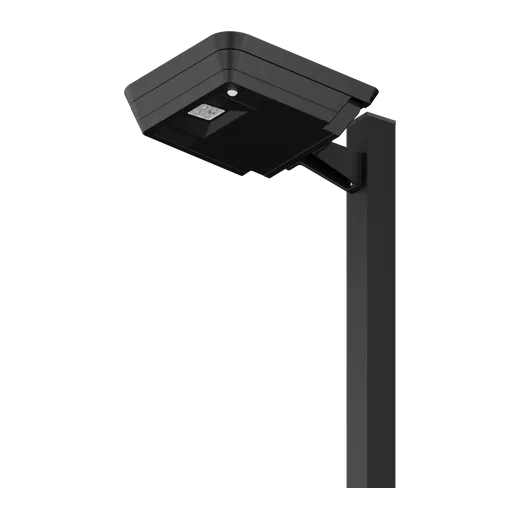
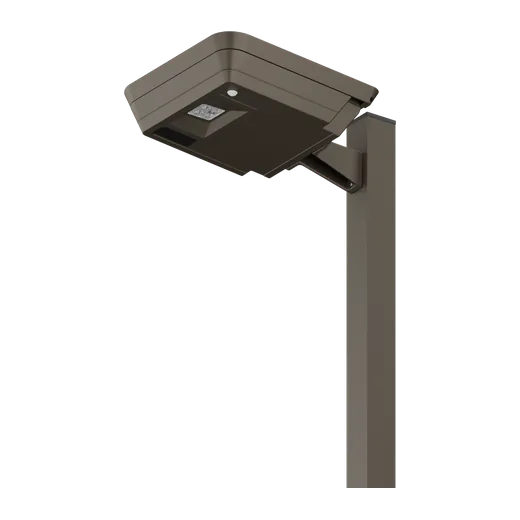
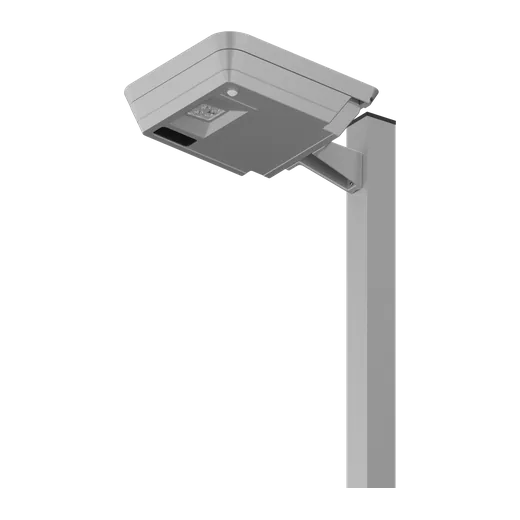
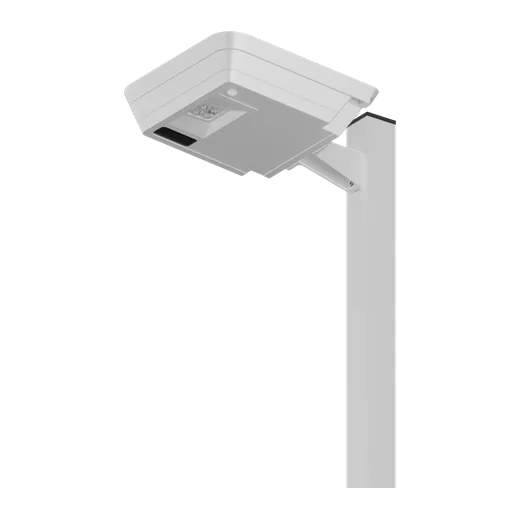
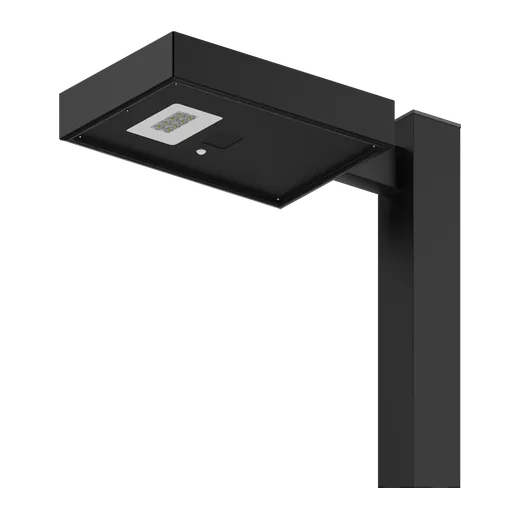
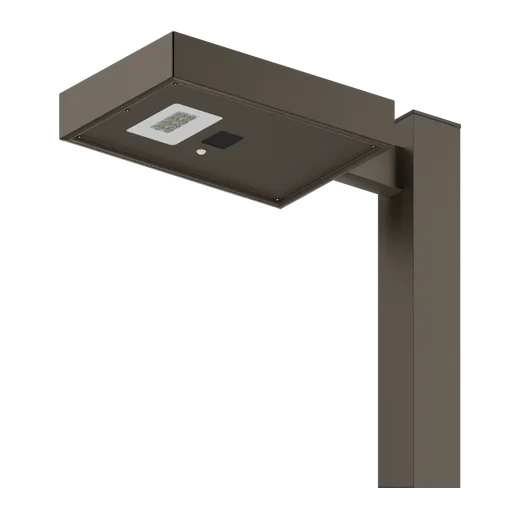
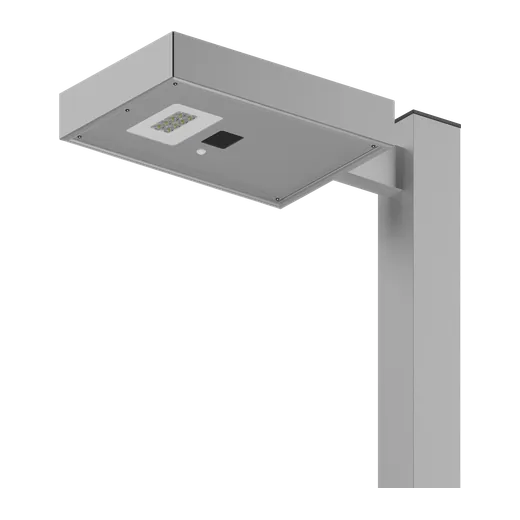
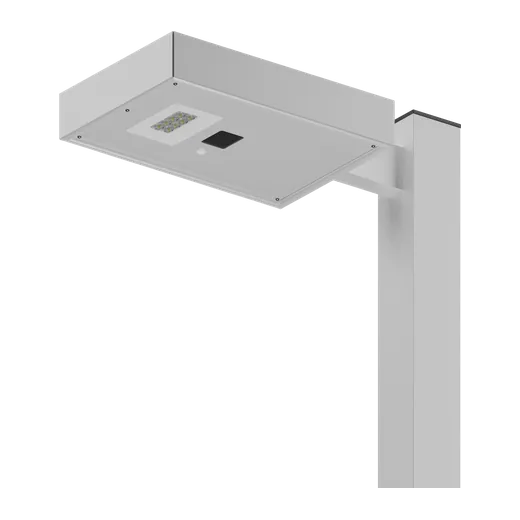
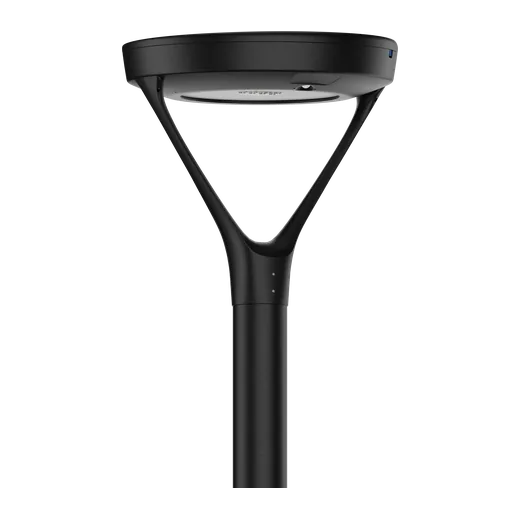
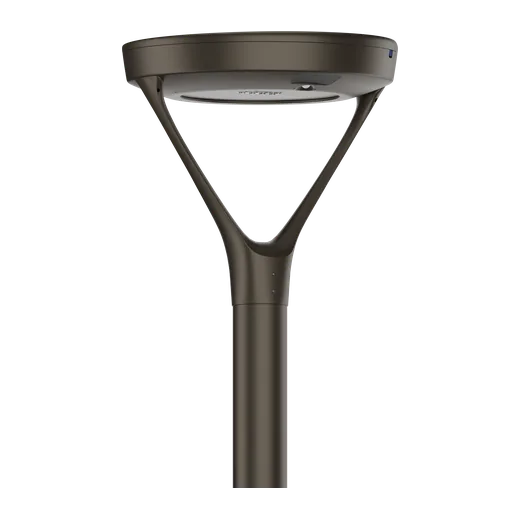
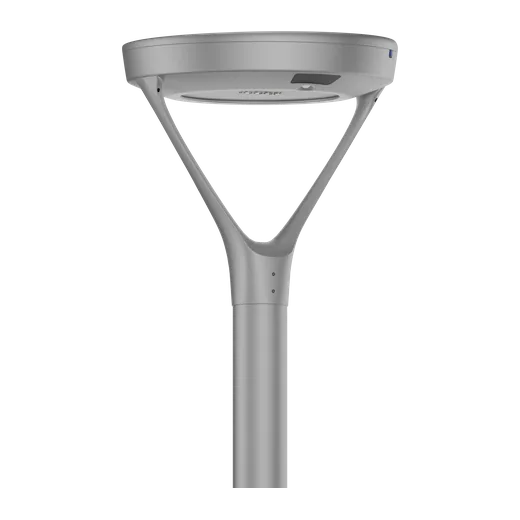
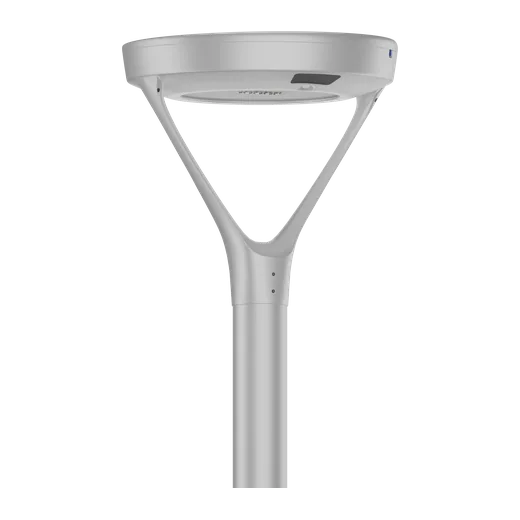
Details and a turntable from the same model
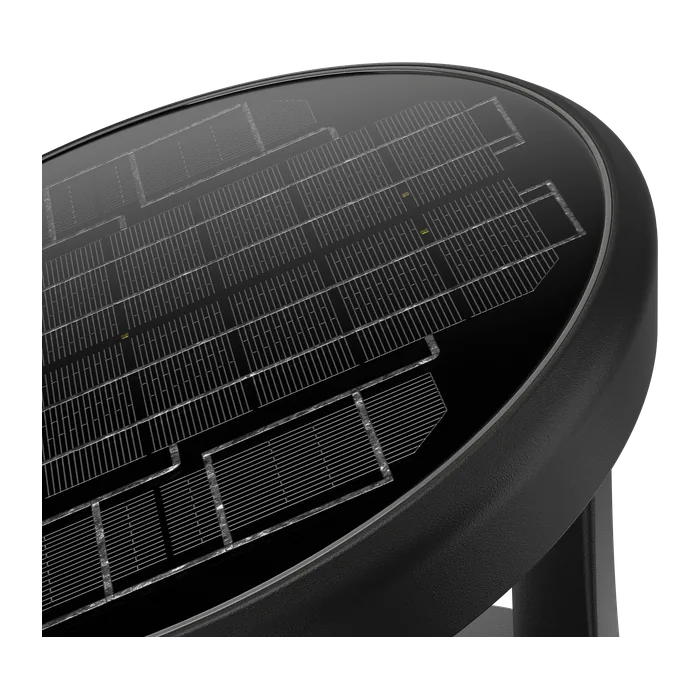
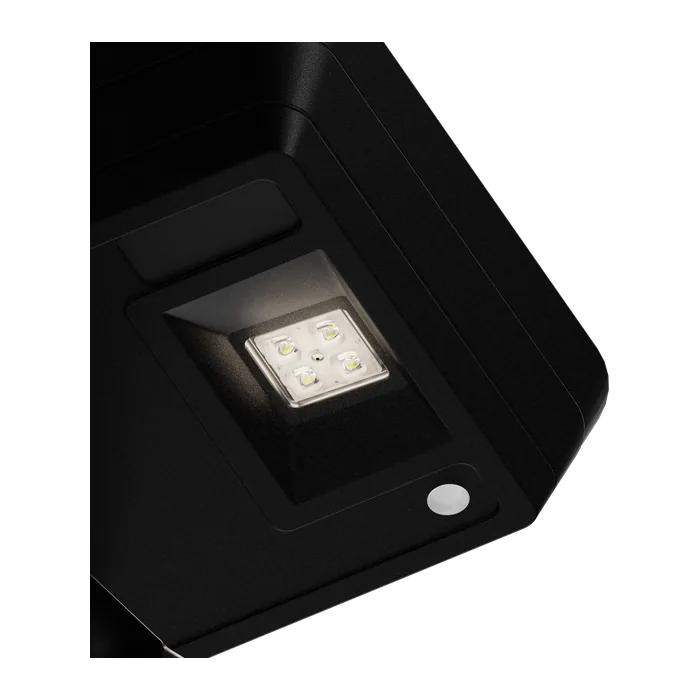
Four finishes, one geometry
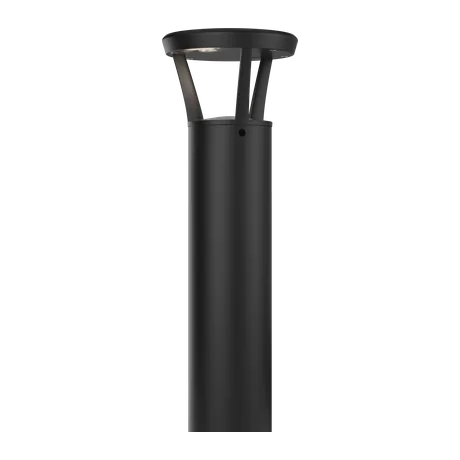
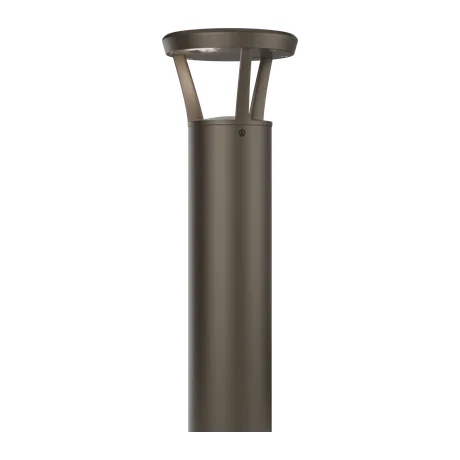
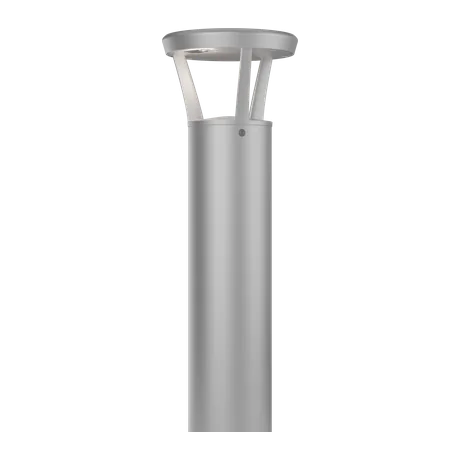
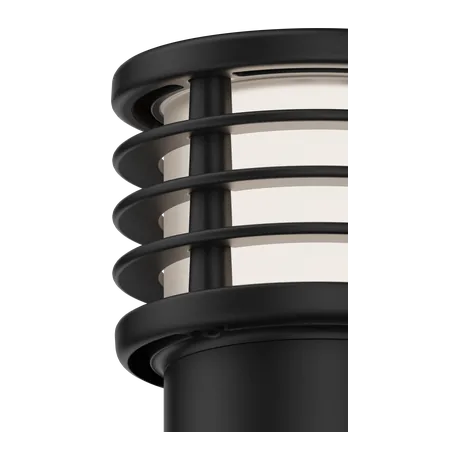
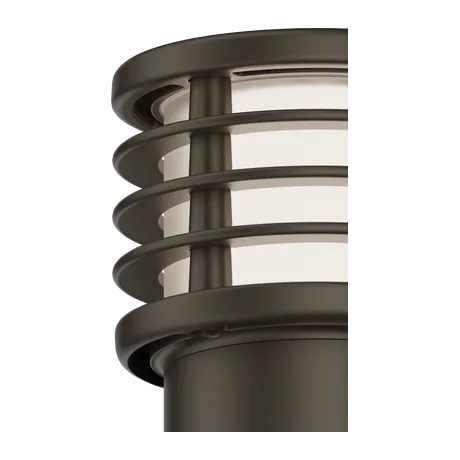
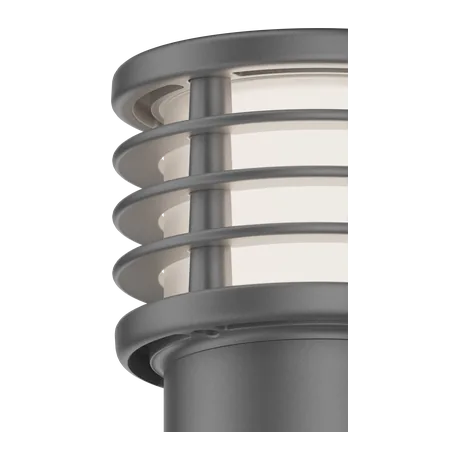
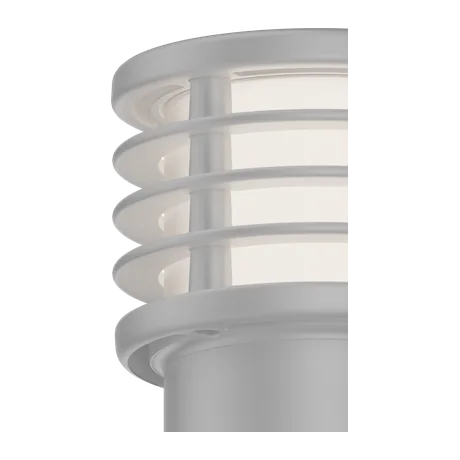
Every view is rendered four times: black, bronze, silver and white. These are not four colour corrections of one image but four renders with their own materials, because powder coat, brushed aluminium and the glass of a solar panel each catch the same light differently. Because the matrix runs through one set-up, the product in the catalogue never drifts from the product on the website.
Photometry, not a feeling
The light in these renders is not set by eye. The client supplied 46 IES files, measured at LightLab International to IESNA LM-63-2002, from symmetric and asymmetric distributions on the bollard to types 2 through 5 on the street luminaires, with shielded variants against glare. All are measured at 4000 K, which is the reference everything else is derived from. So a render shows not only what the product looks like, but where its light lands.
- RSLtipi 2–5, dve montaži10
- IPLtipi 2–5 in zaslonka proti zaslepljevanju9
- SCLtipi 2–5 in zaslonka proti zaslepljevanju9
- SCL2tipi 2–5 in zaslonka proti zaslepljevanju9
- BFLulični tipi 2M, 2S, 3M, 3S, 4 in 56
- PLBsimetrična in asimetrična porazdelitev2
- WLBžaluzijska porazdelitev1
Meritve so pri 4000 K. Isti izdelek s toplejšo diodo odda manj: 3000 K 92,3 % te vrednosti, 2700 K 80,8 %, jantarna dioda 37 %. Številka je vezana na diodo, ne na render, zato jo mora nositi vsak kader, ki obljublja določeno osvetlitev.
Where the light lands
The same luminaire, lit, in four finishes
Five locations, three conditions
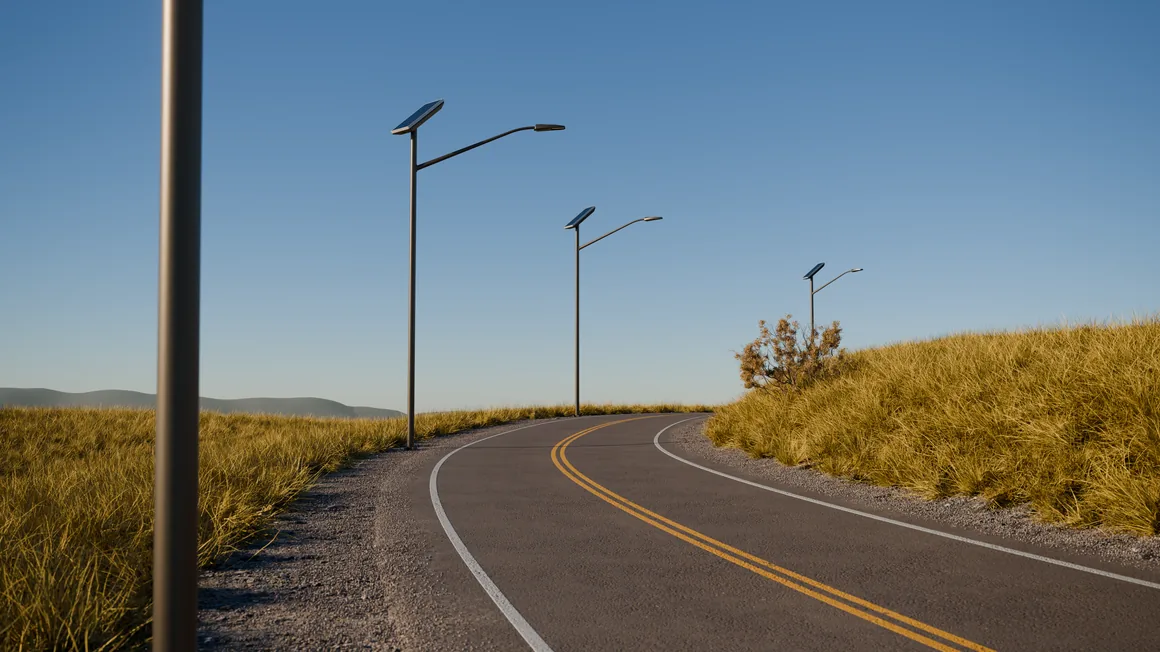
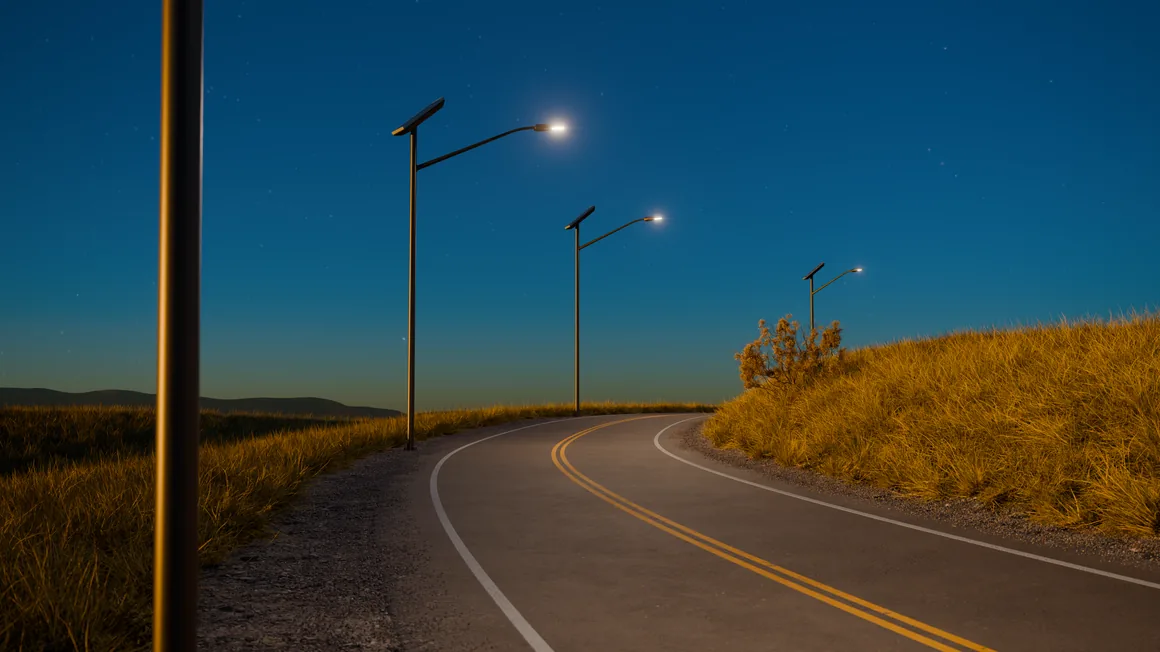
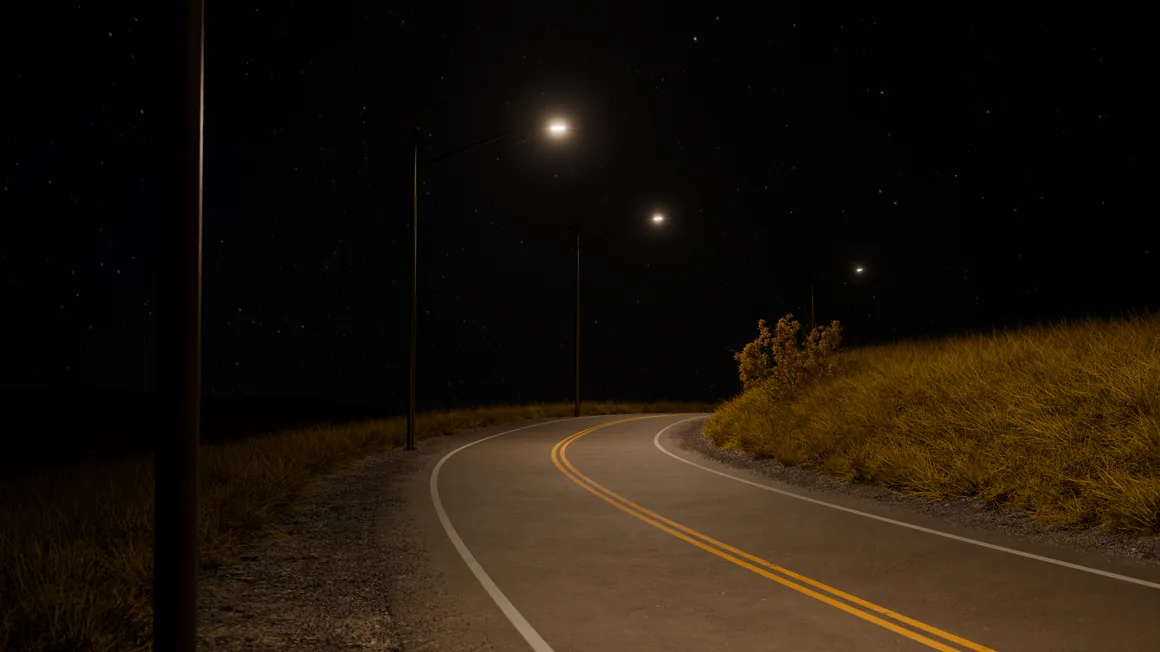
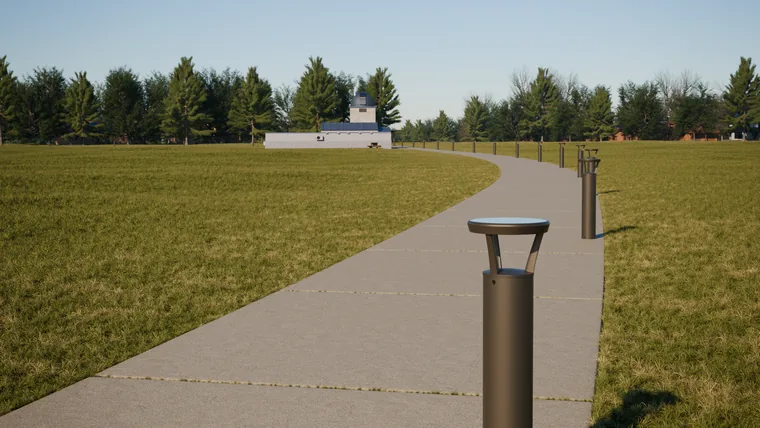
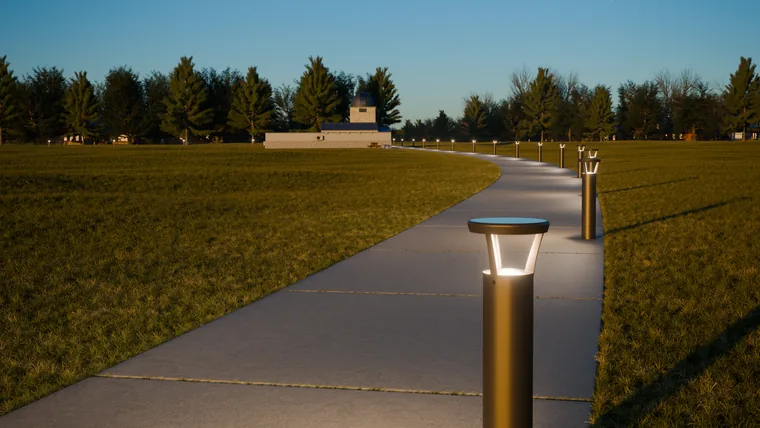
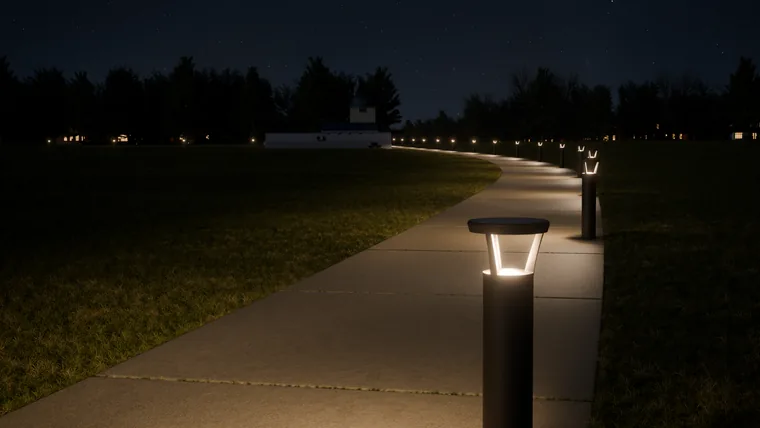
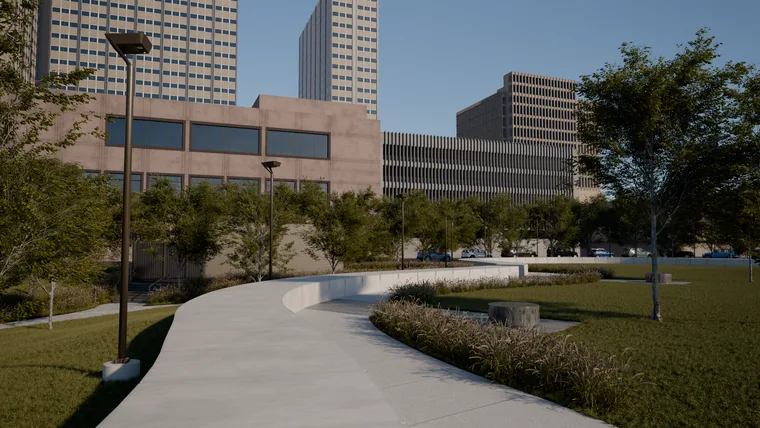
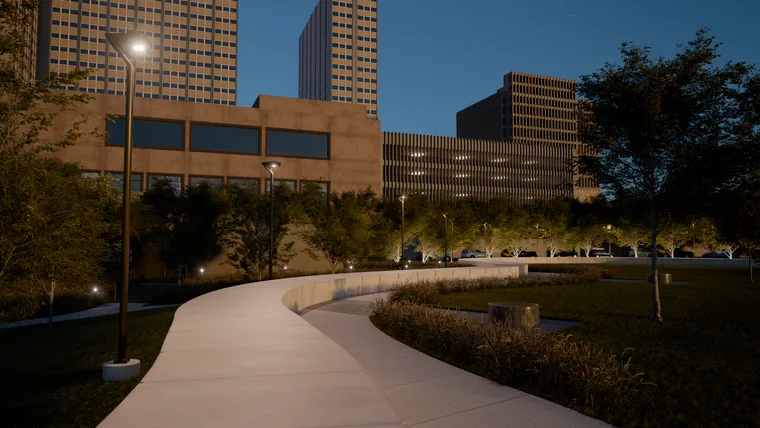
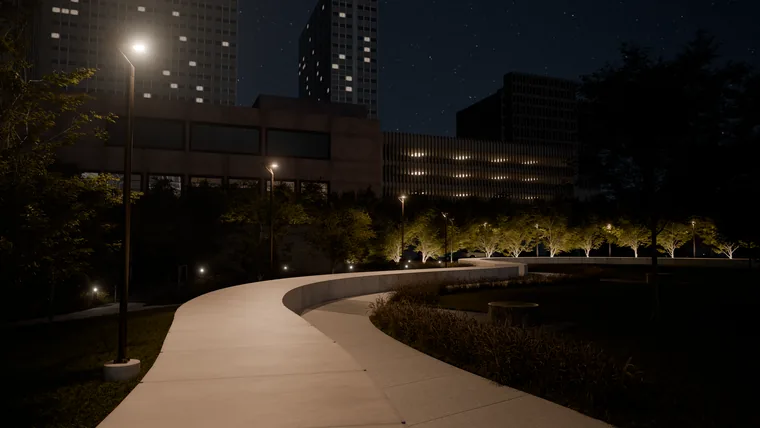
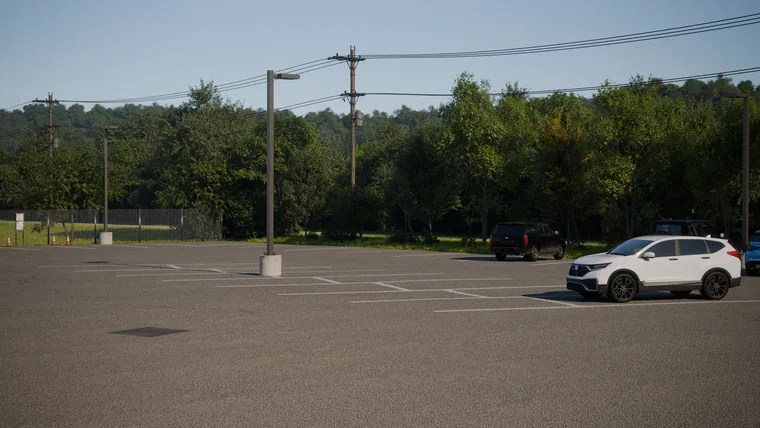
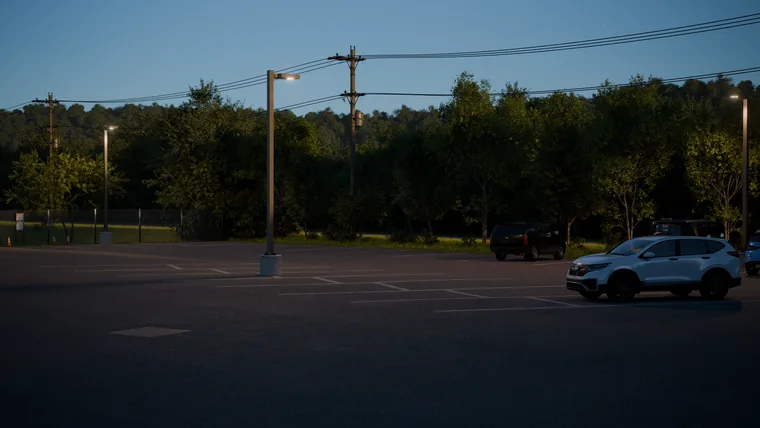
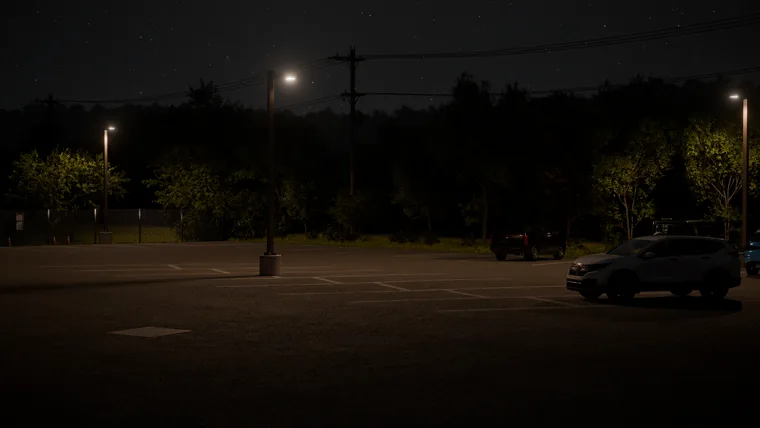
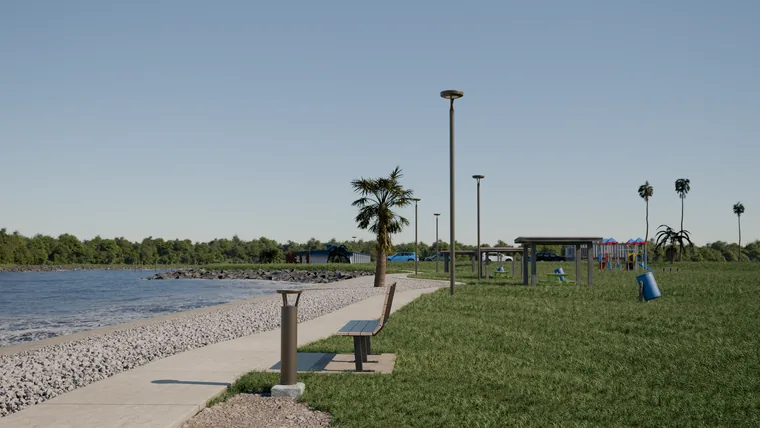
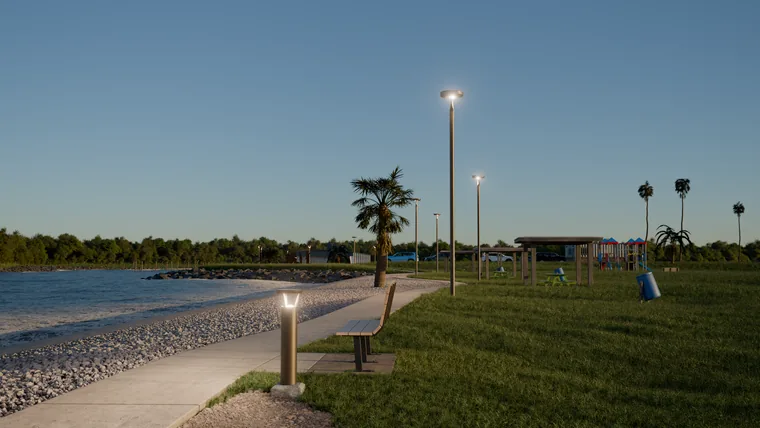
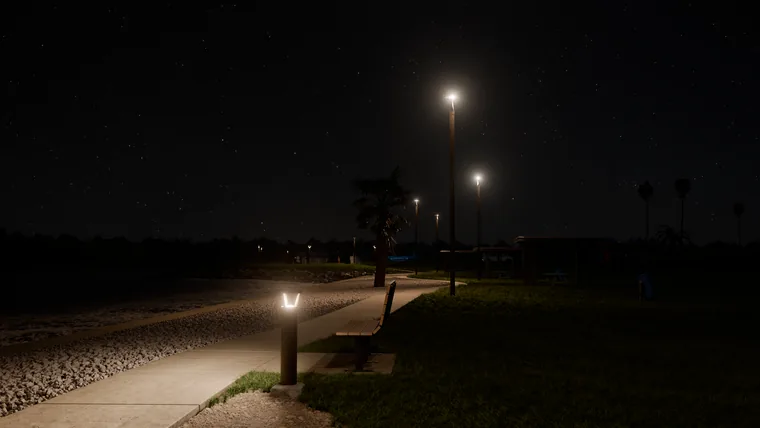
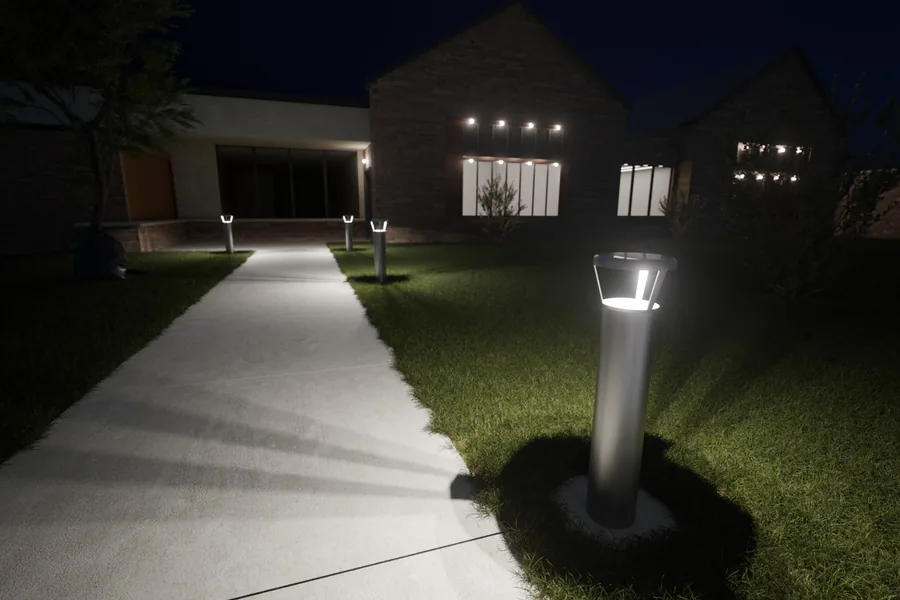
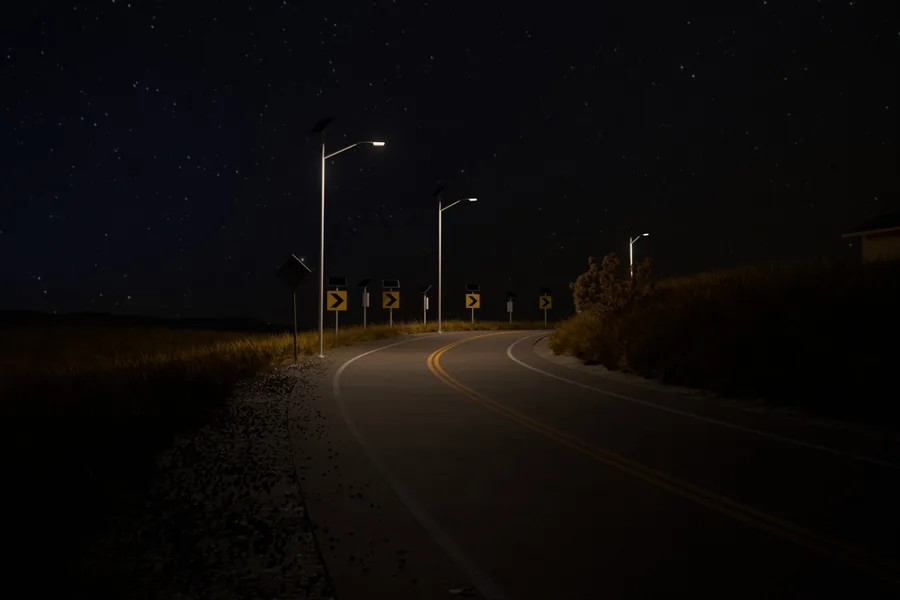
Five scenes, built from reference photographs of places where the lights actually stand: a road, a footpath, a city park, a car park and a seaside promenade. Each is rendered by day, at dusk and at night. The camera does not move a pixel between the three frames, because light is the only variable. That is precisely the thing photography cannot deliver: the same frame, three different hours, with no waiting on the weather.