Fifty-six codes,
one system
A whole catalogue of retrofit luminaires and accessories as renders, and two films for the thing a render cannot show: the light.
56 catalogue codes · two explainer films
Who Filamento are
San Jose, California. The company was founded in 2014 by Frank Shum, previously CEO and chief designer at Soraa. It makes LED luminaires and retrofit lamps for warehouses, manufacturing and retail: the LA1, LS1 and RH1 ranges, low glare and wireless control through Casambi, Avi-On or Synapse caps. Customers include Prologis, Caterpillar, Toshiba, Airbus and Anheuser-Busch.
Filamento does not sell a luminaire, it sells a system. The same body takes six control caps, eight reflectors, twelve lenses and diffusers, five ADP bases and five adapters for E26 and E39 sockets. Most combinations do not physically exist until someone orders one, so there is nothing to photograph. The second part is harder: what the buyer is buying is the light distribution, and that is in no photograph of a product.
The whole catalogue, down to the last adapter
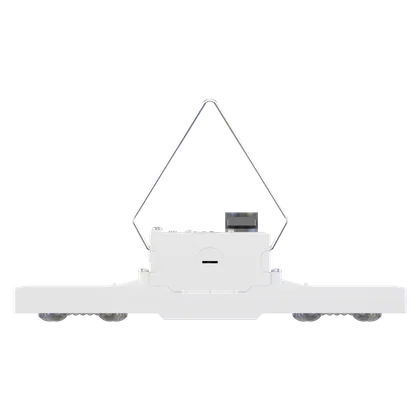
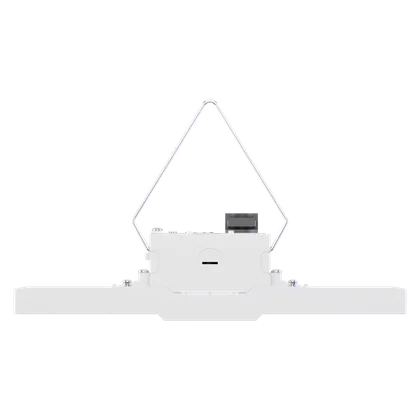
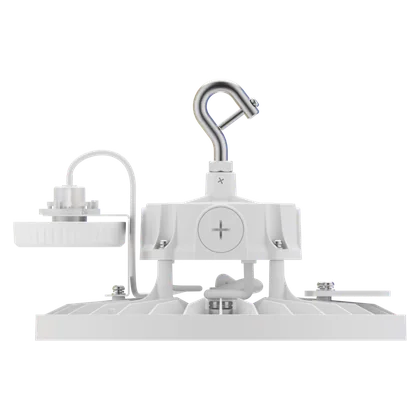
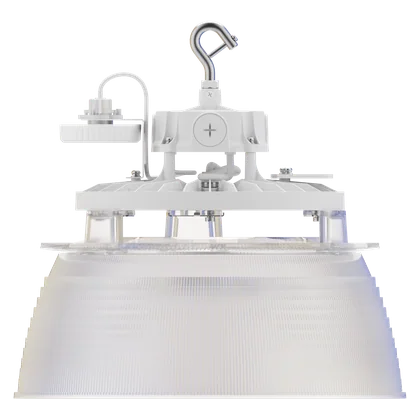
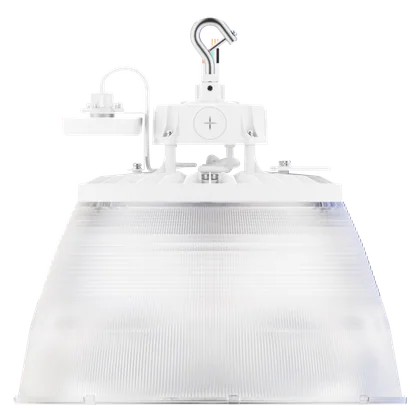
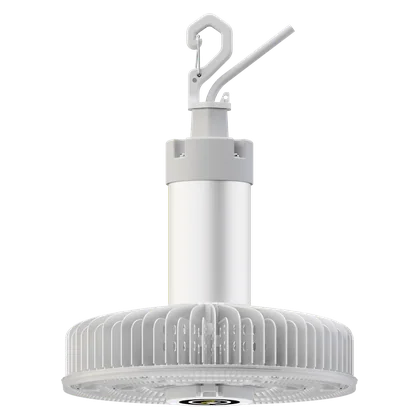
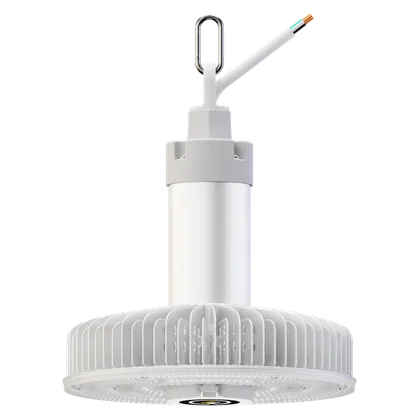
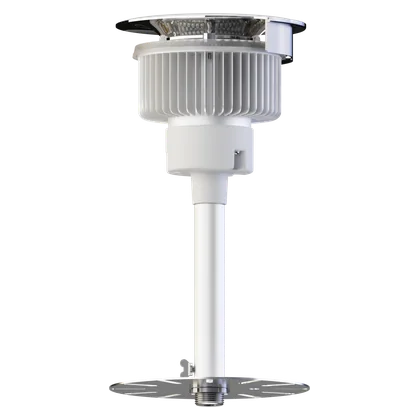
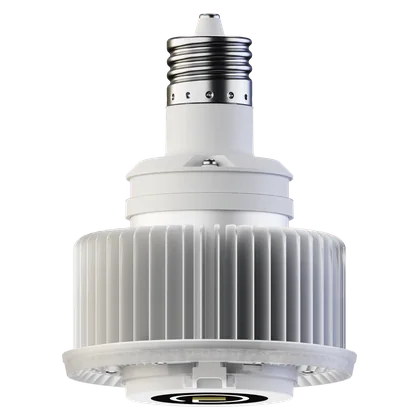
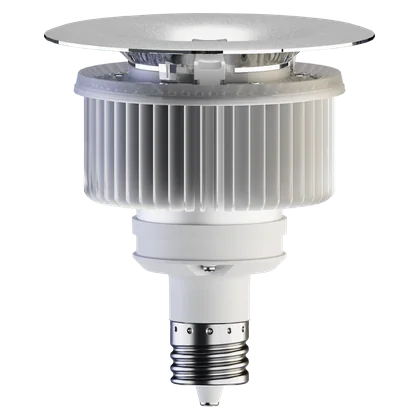
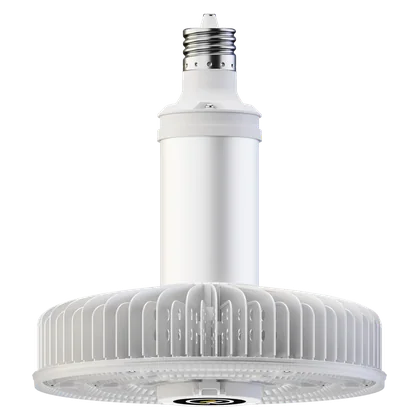
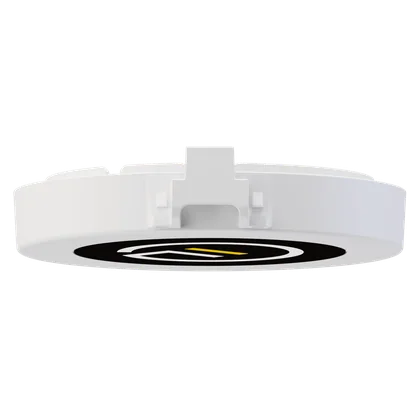
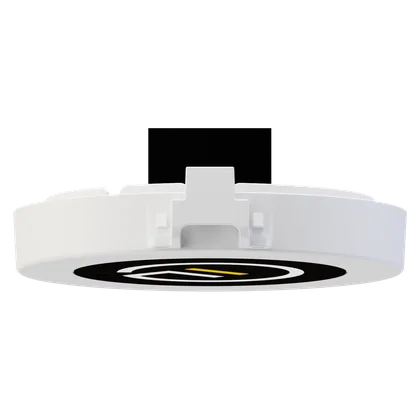
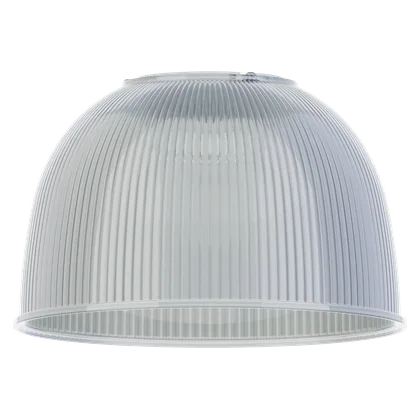
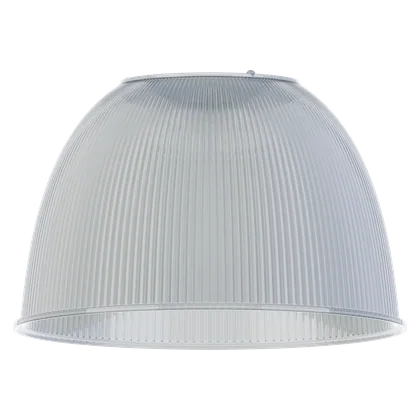
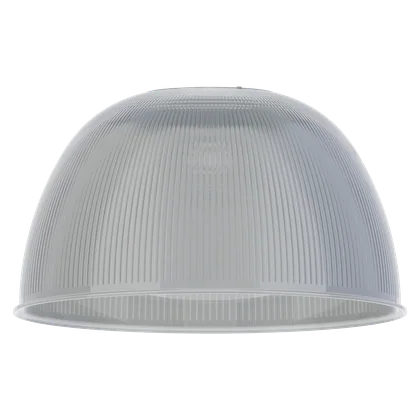
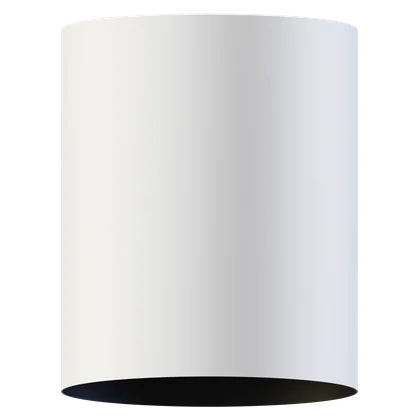
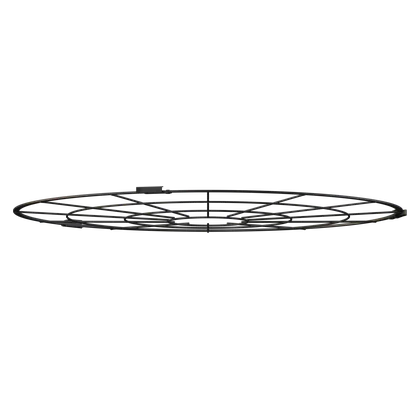
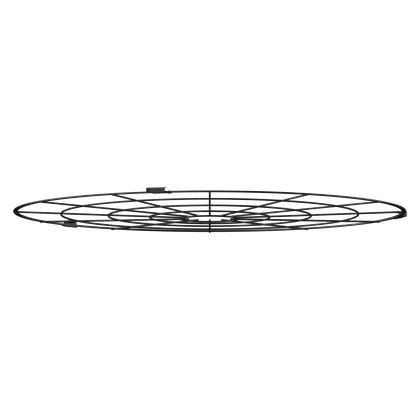
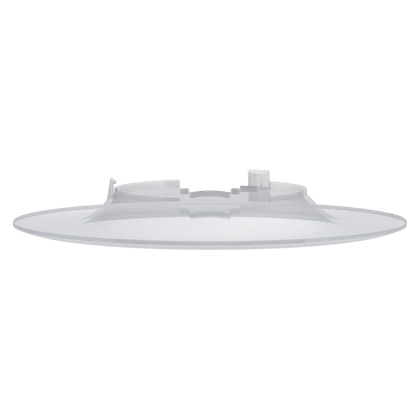
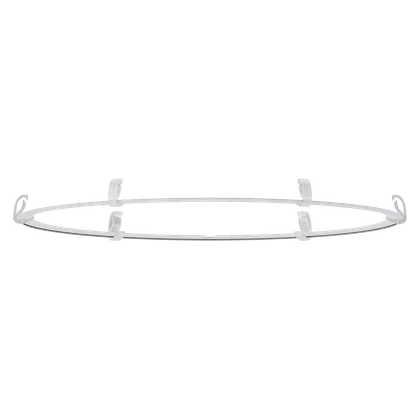
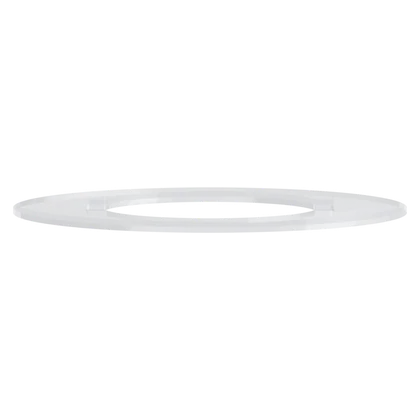
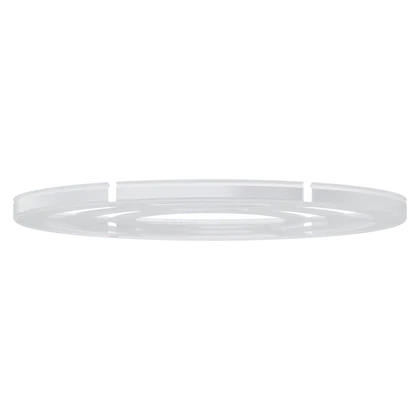
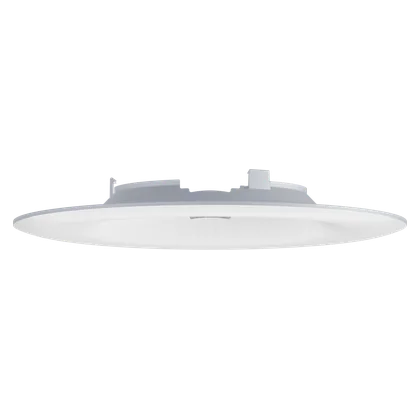
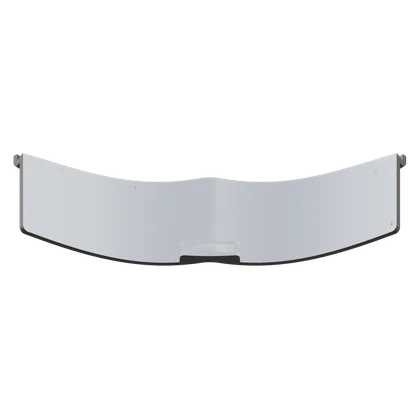
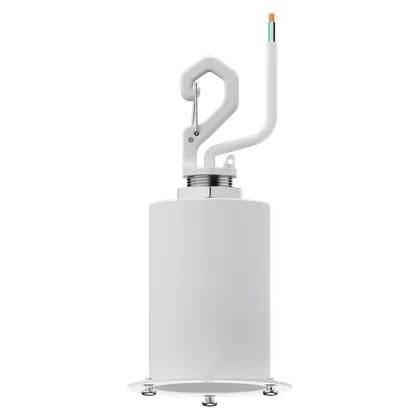
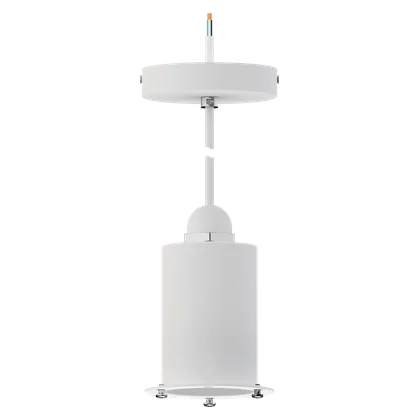
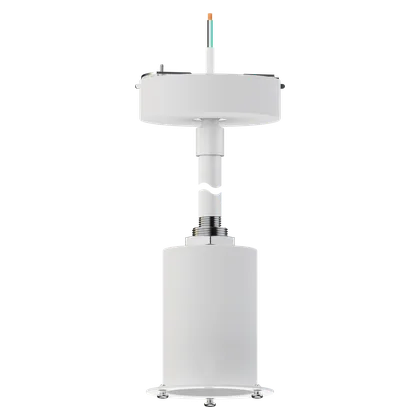
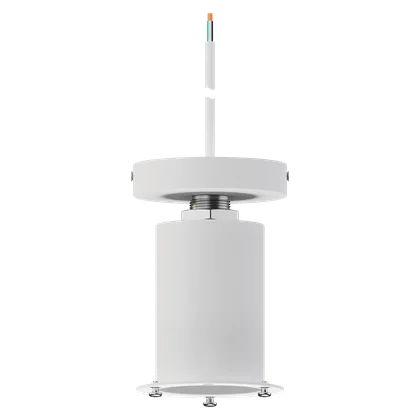
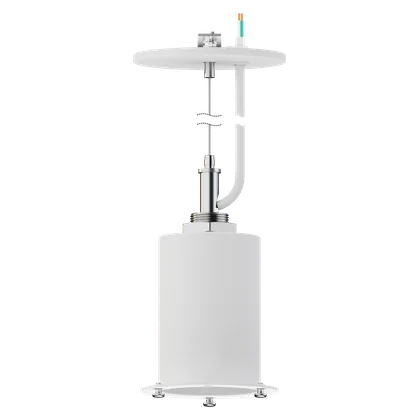
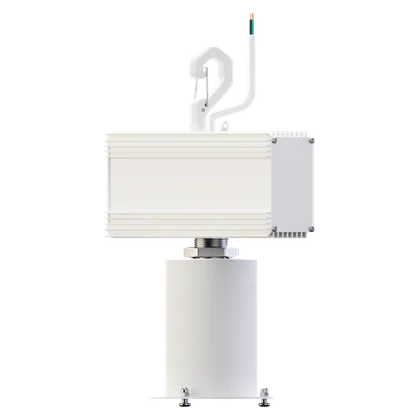
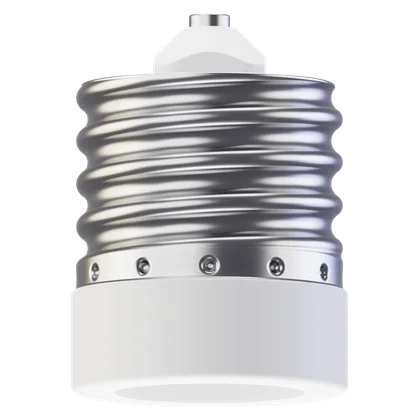
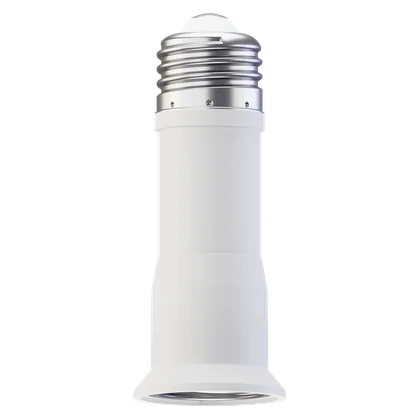
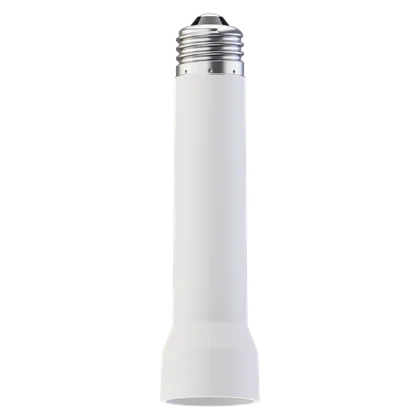
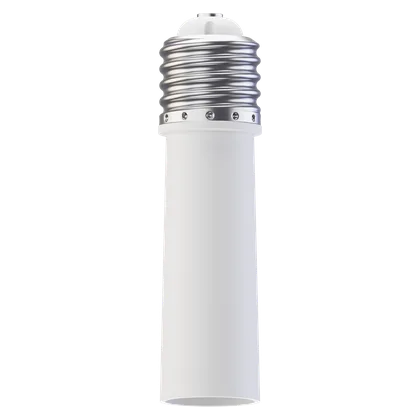
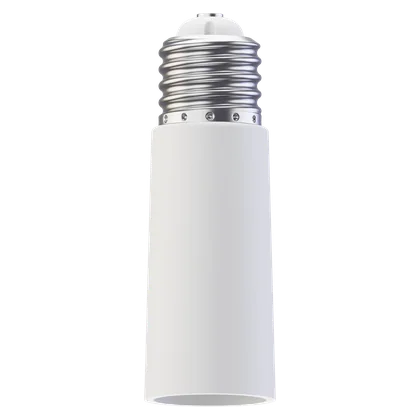
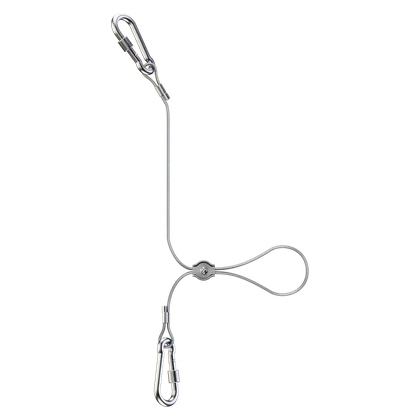
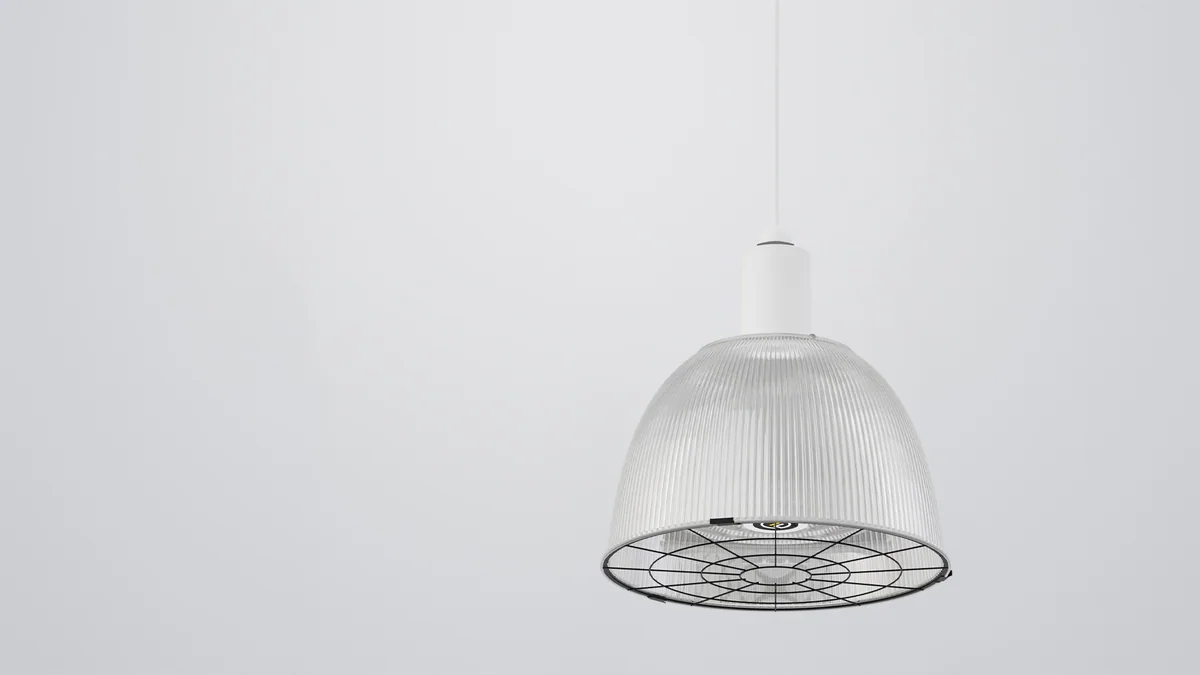
Fifty-six codes, each with its own render in the same set-up and under the same light: luminaires and lamps, control caps, reflectors, lenses, diffusers, wire guards, bases, adapters and the safety cable. There are seventy-three renders — the difference is carried by colour and base variants that have no card of their own on the page. Every render is delivered with an alpha channel, without a background, so the same file sits on any ground: in the catalogue, on a data sheet or in a web store.
Fifty-six codes, one render each
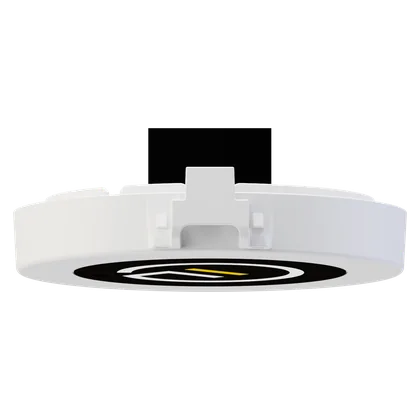
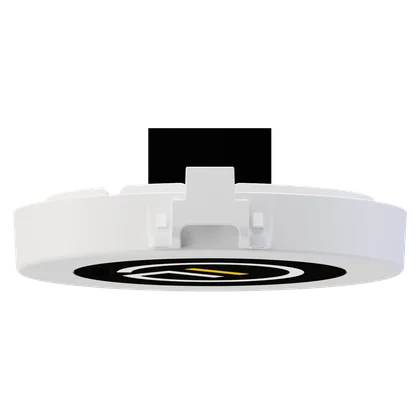
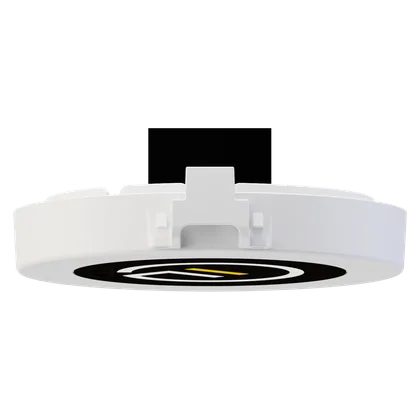
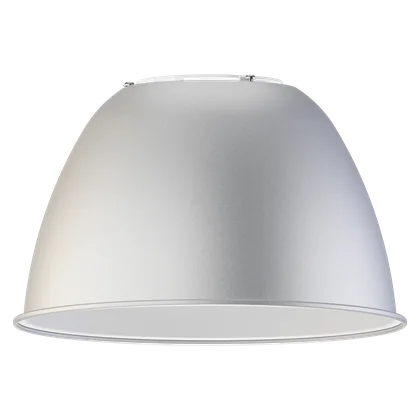
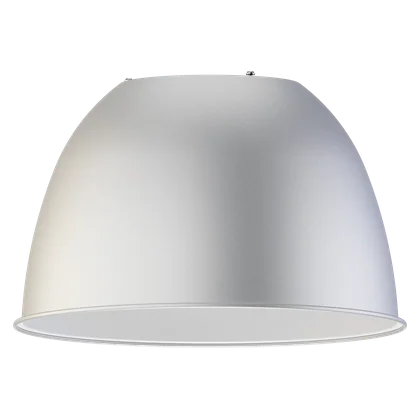
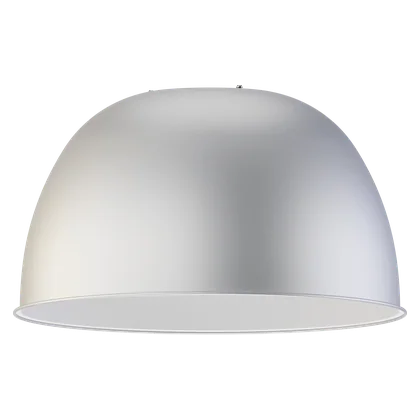
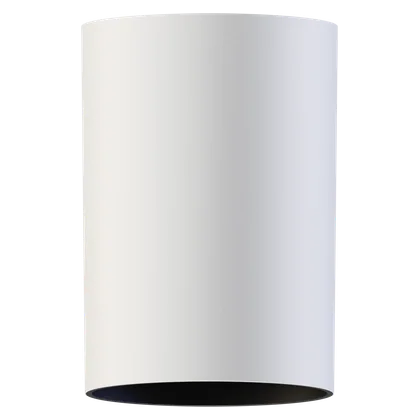



One luminaire, a hundred combinations
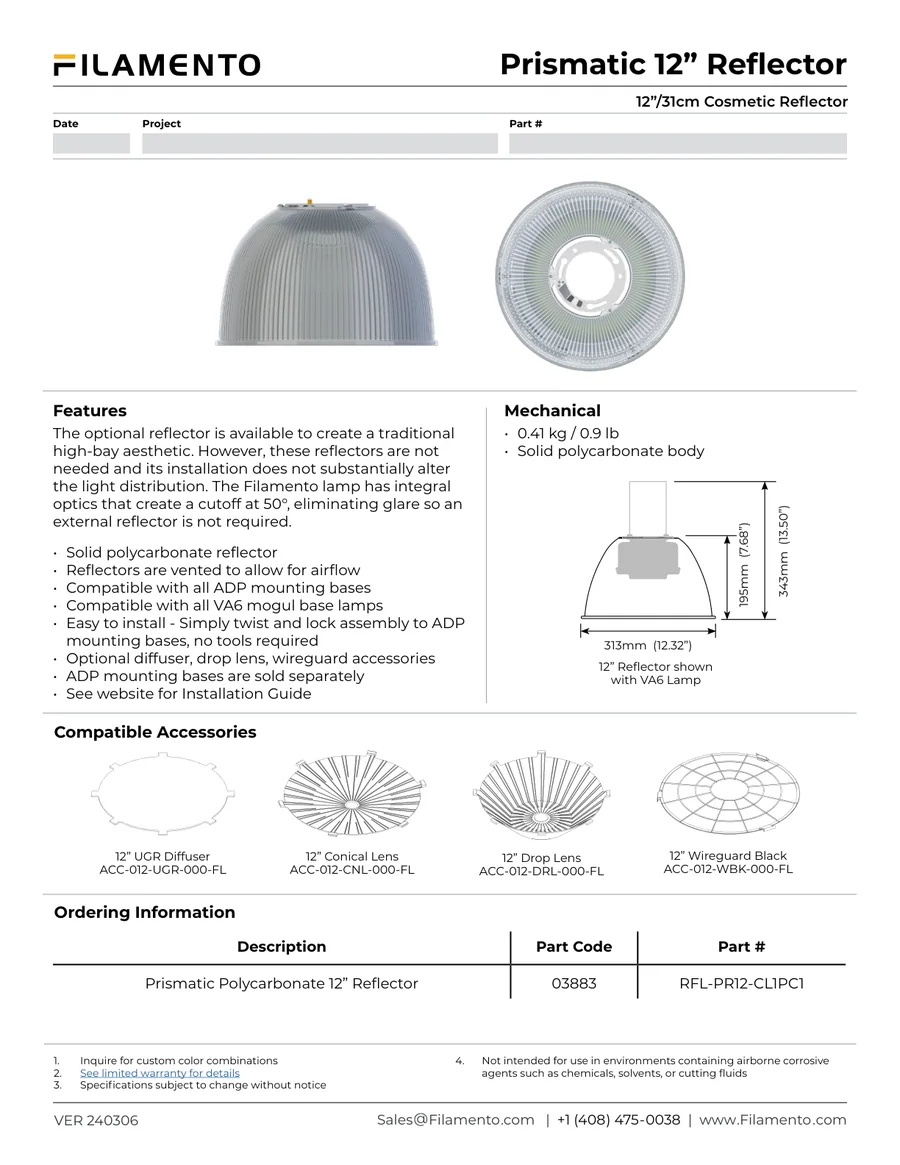
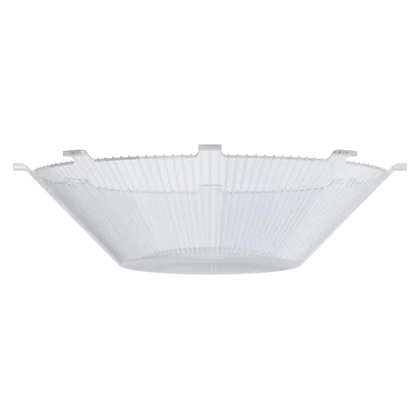
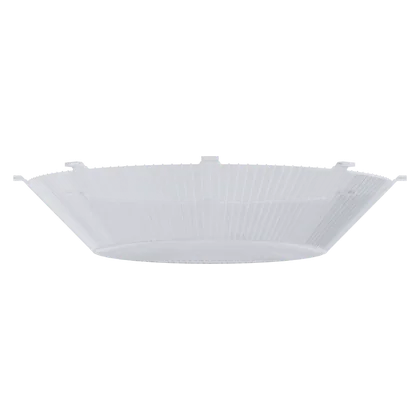
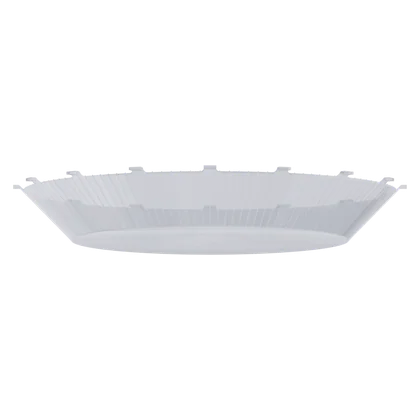
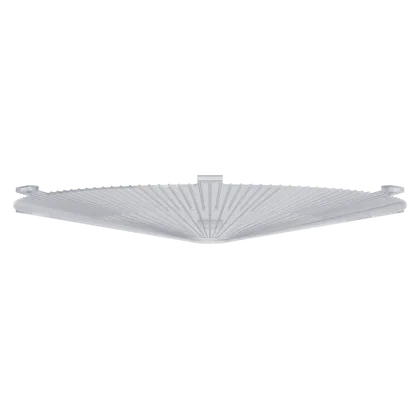
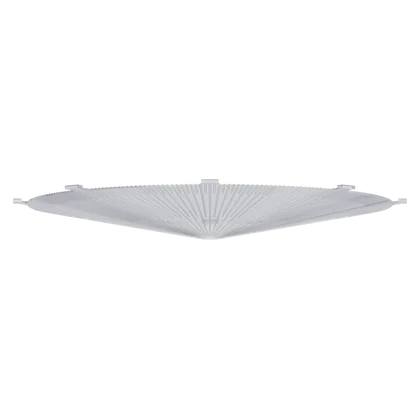
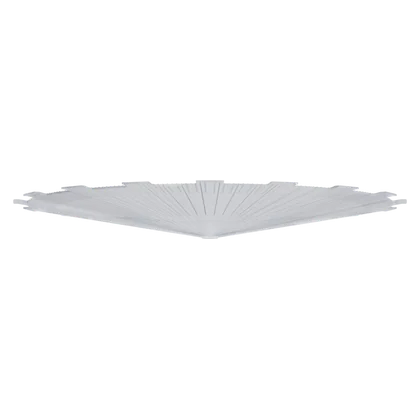
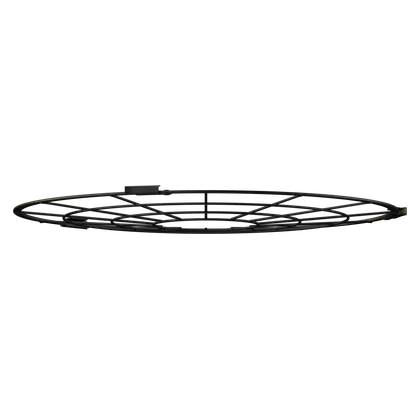
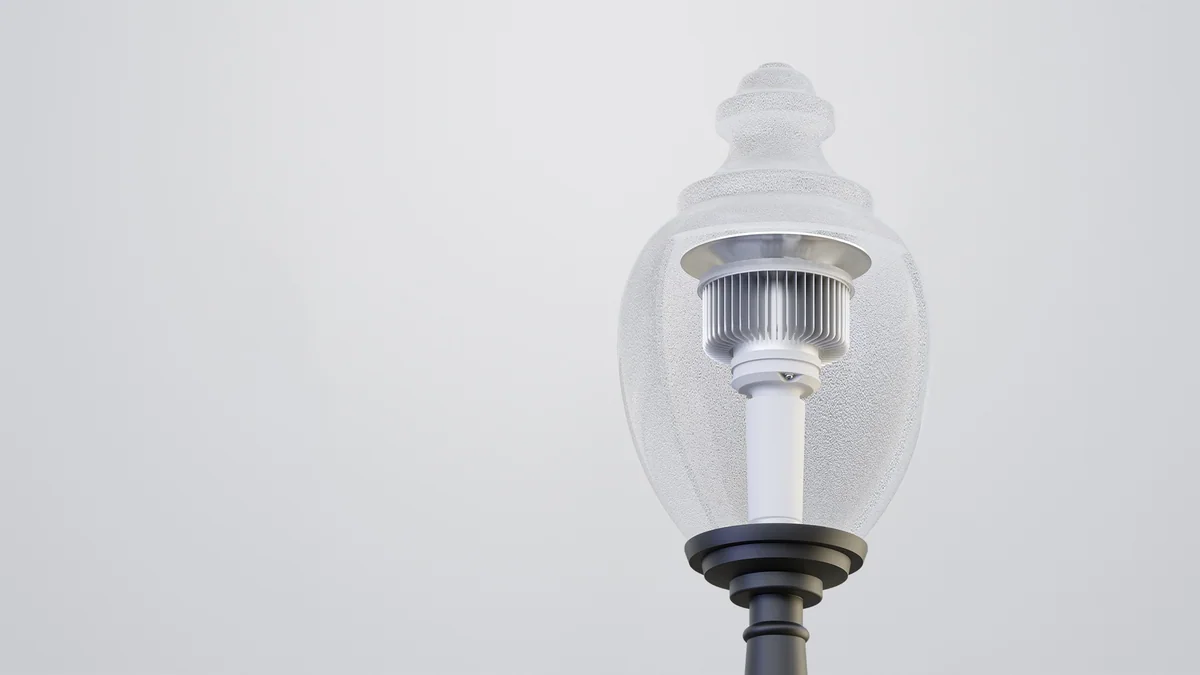
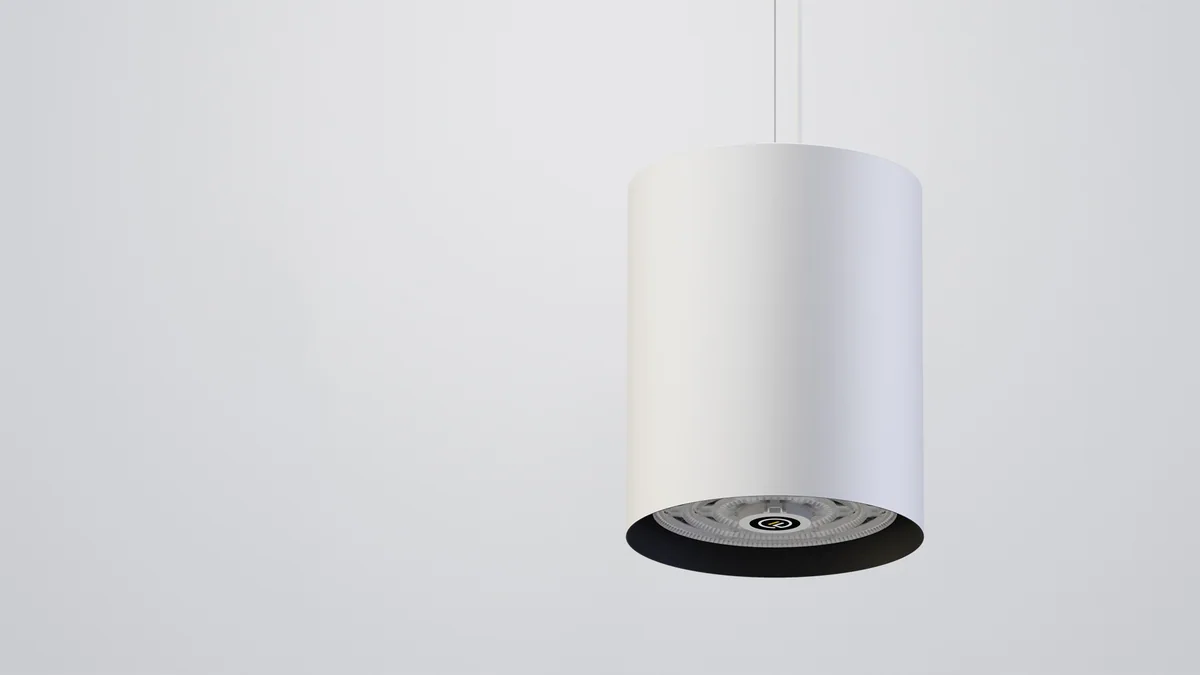
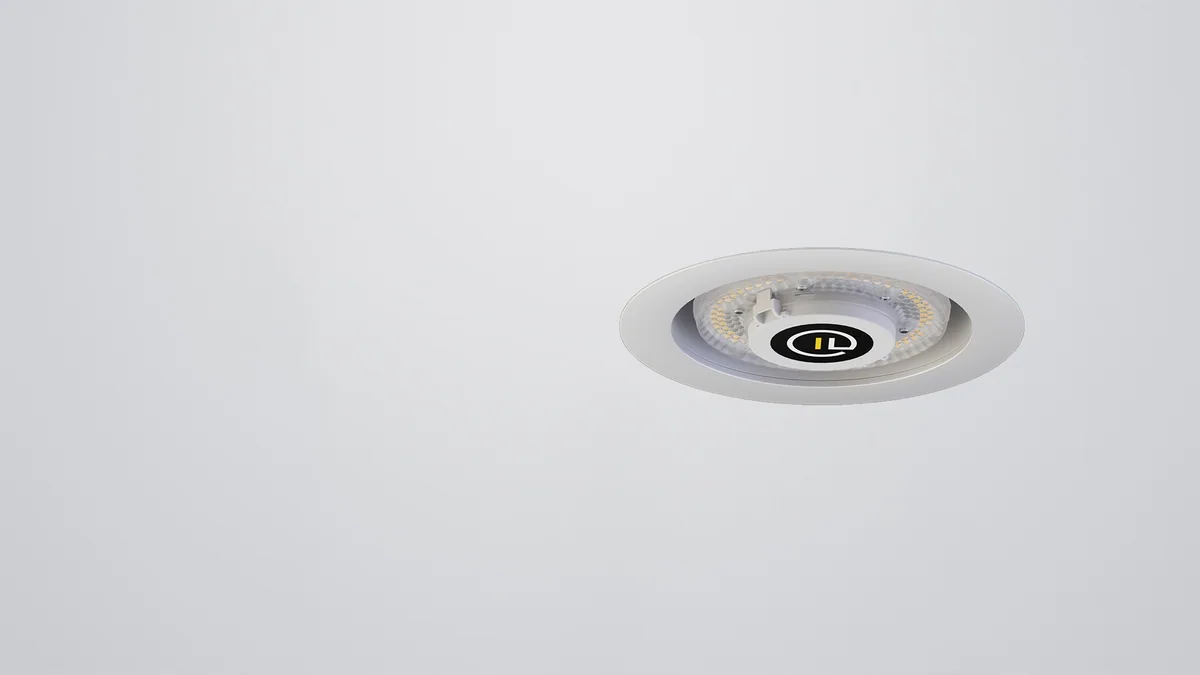
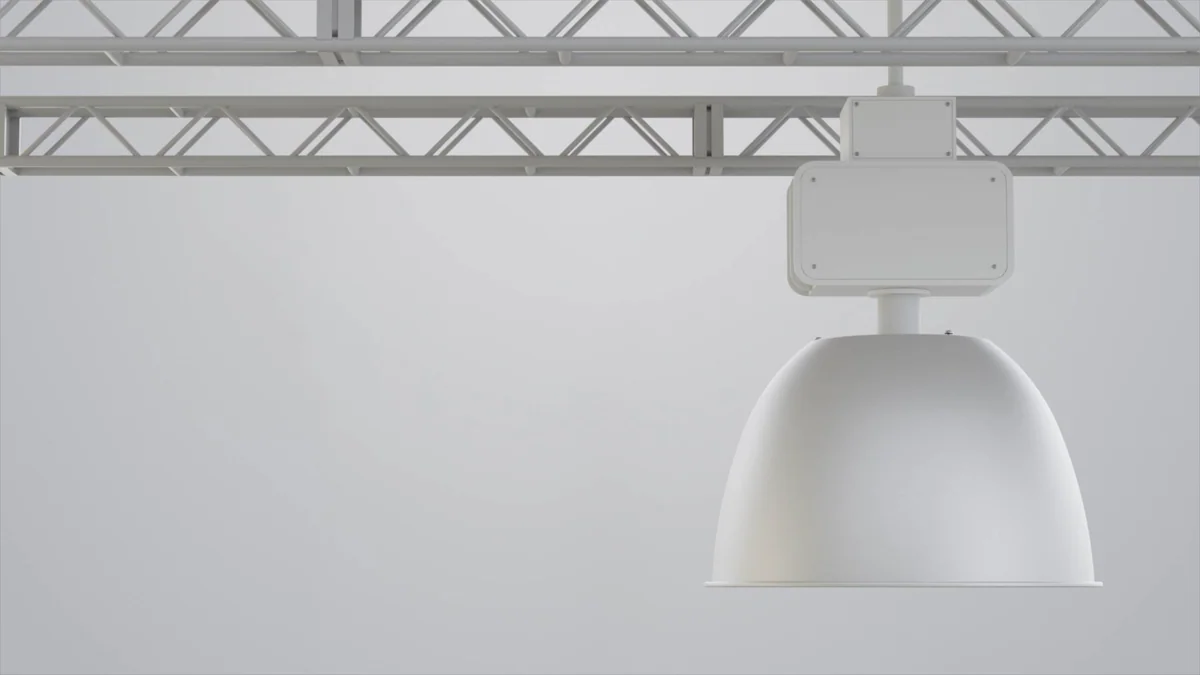
Three shelves: the cap goes on top, the reflector under the body, the lens or diffuser onto the reflector. Every reflector exists in three diameters and every accessory for it in the same three, so the catalogue is a matrix rather than a list. Because each part stands as its own render at the same scale and in the same light, a new combination needs no new rendering — and the same parts also appear in scenes where the product hangs where it sells: above a shop floor, in a suspended ceiling, over a sports hall, on a lamp post.
Three reflector families, one family per row
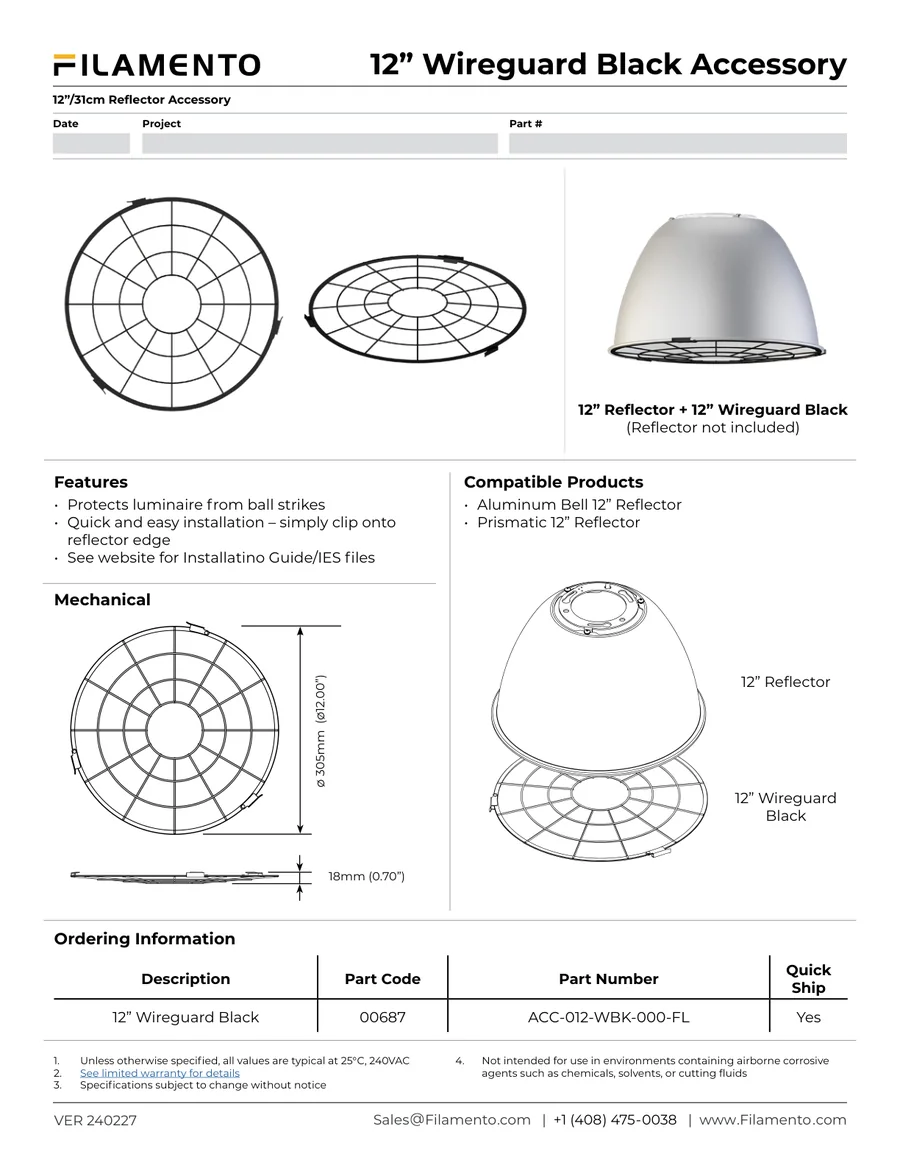
Four accessories, each in three diameters: 31, 41 and 56 cm
The same products, hung where they sell
What cannot be photographed
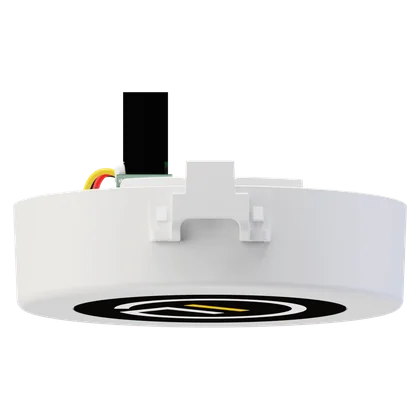
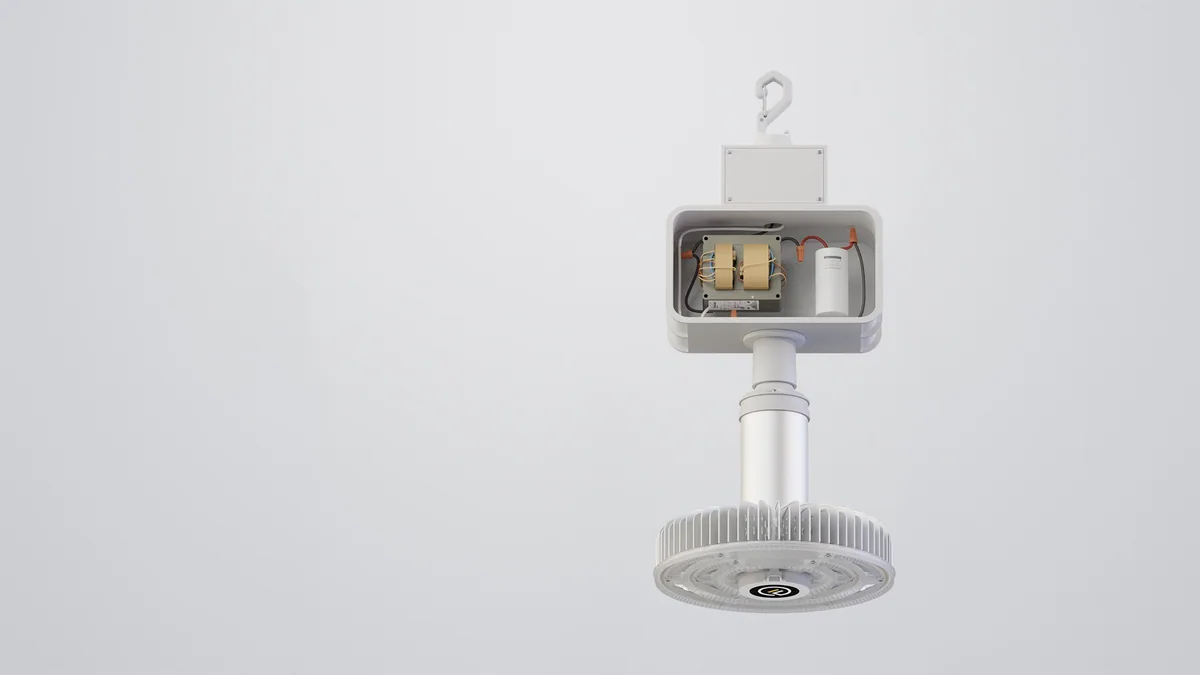
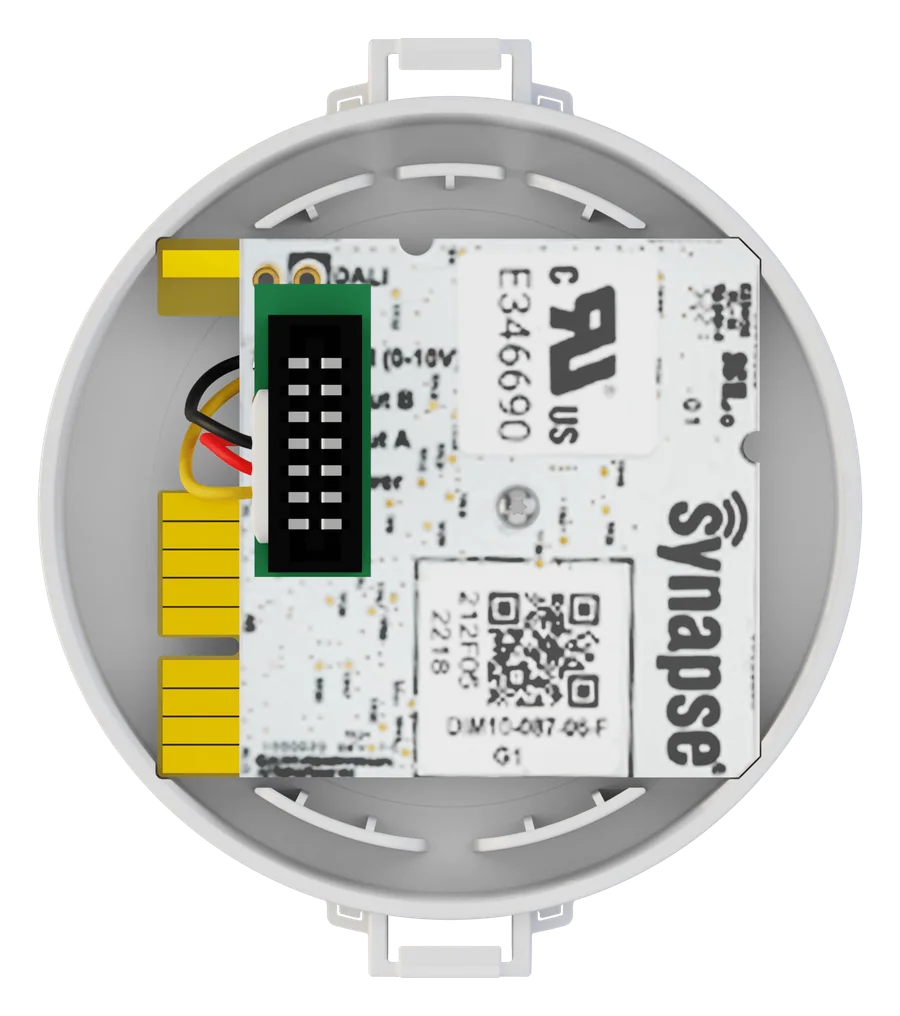
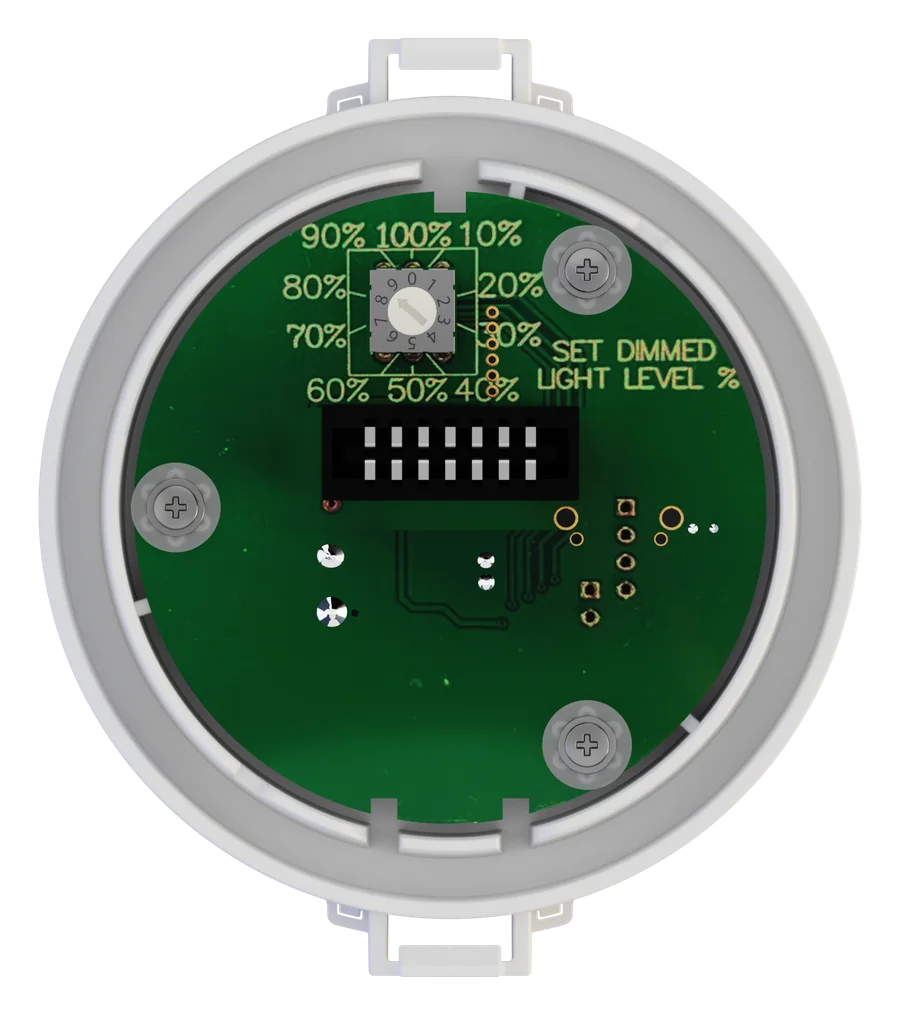
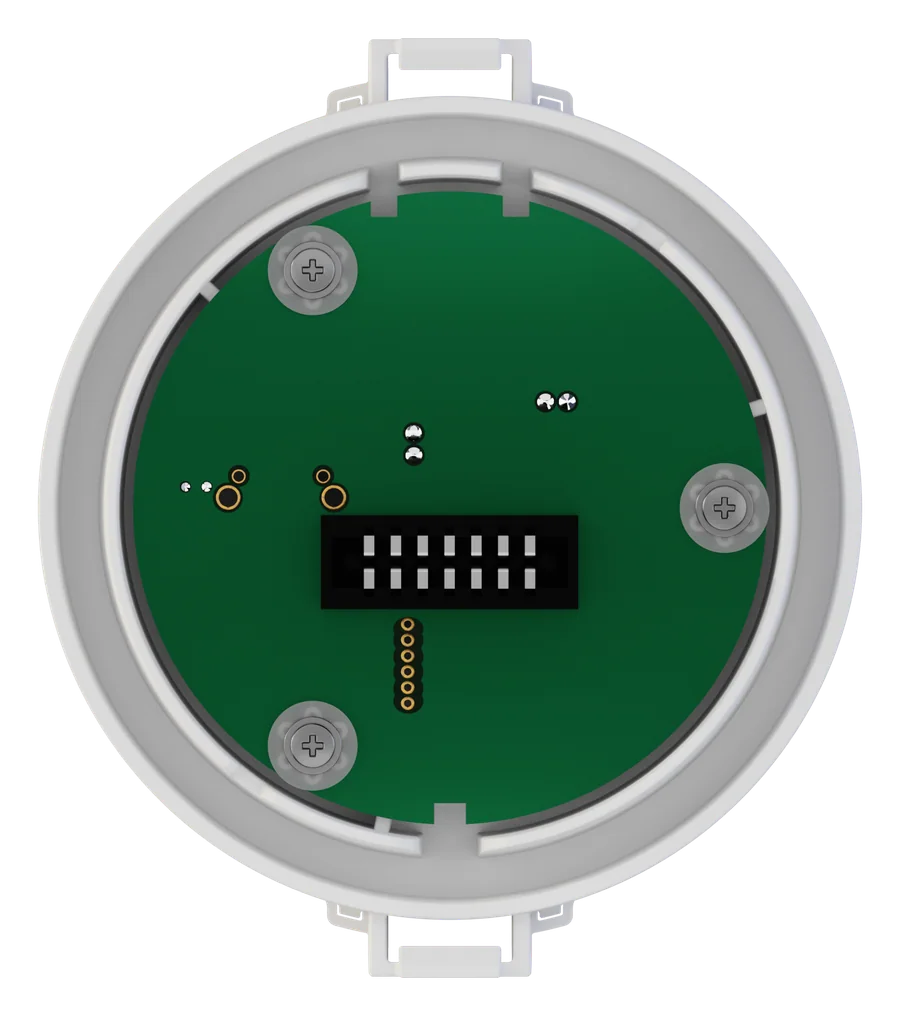
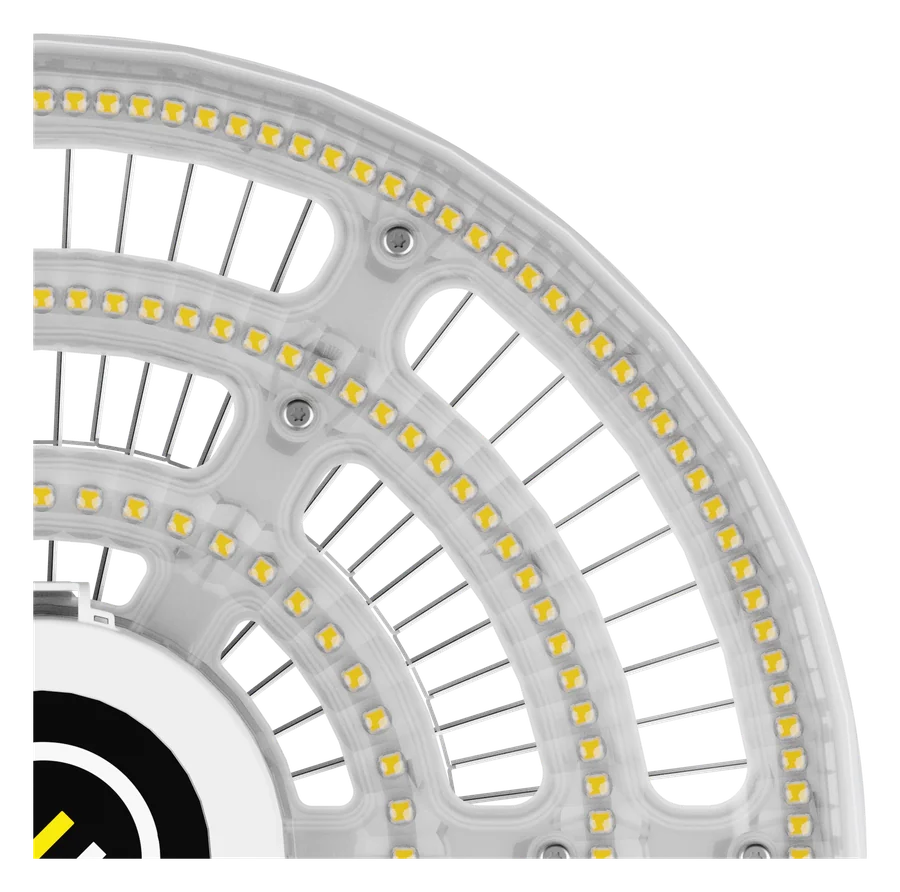
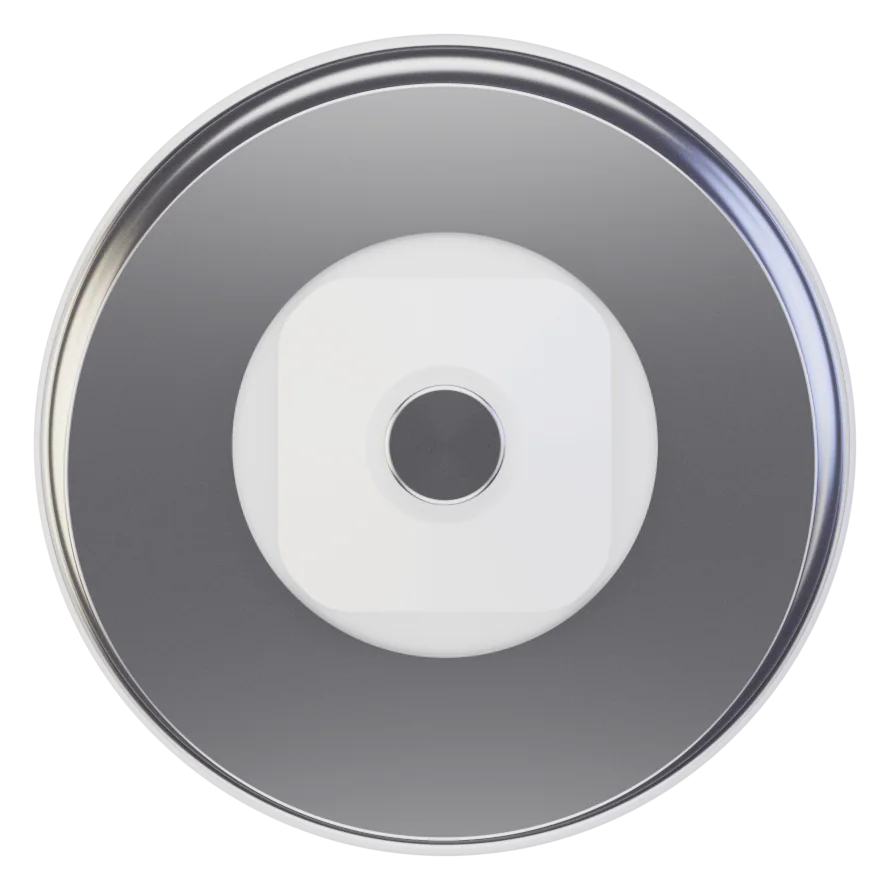
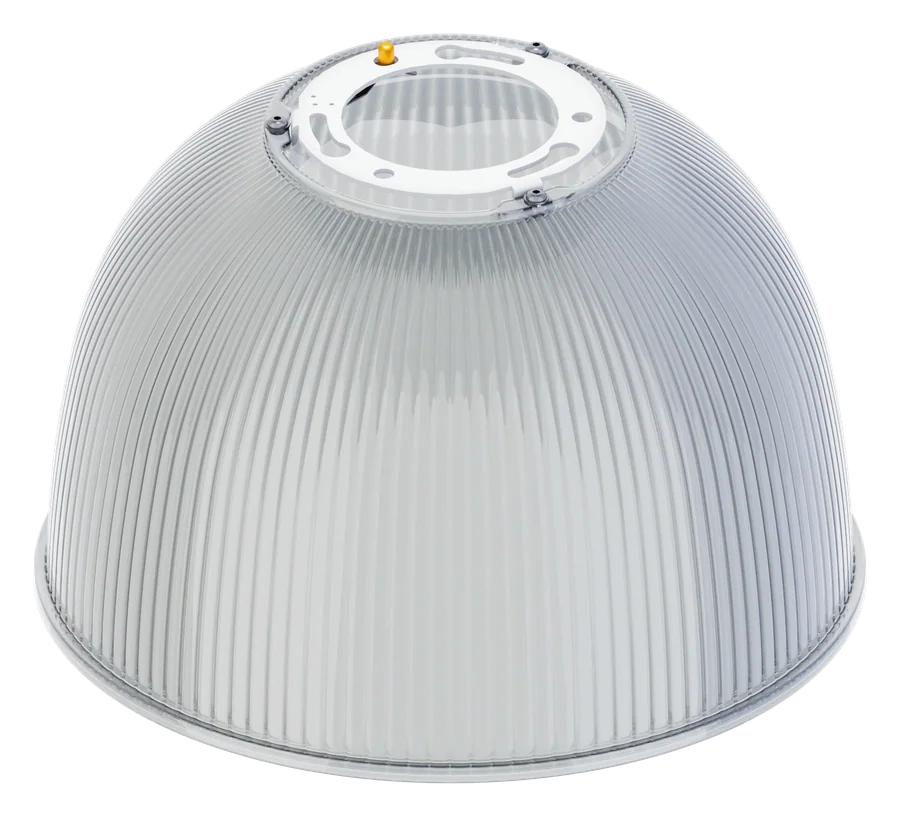
Under a control cap there is a circuit board, on it a radio module with its own marking and code; on the neighbouring cap a scale for manual dimming is printed. In the finished product those parts are sealed in. The same goes for the section through an HID housing: a retrofit lamp has to live alongside a ballast and a capacitor, and that image would otherwise require a working luminaire cut in half.
The parts sealed inside the product
Not the product, the light
Two films that show not the product but the difference. The LA1 one sets a corridor with a competing luminaire beside a corridor with the LA1, measures the illuminance on the floor in both and leaves the numbers in frame. The RH1 one draws three beams on the same luminaire, one after another: the primary downward, the uplight onto the ceiling and the refractor onto the shelving. These are excerpts; the originals run 1:52 and 2:20.
LA1: two corridors, the illuminance measured
RH1: three beams, one after another
The same renders, forty-seven sheets
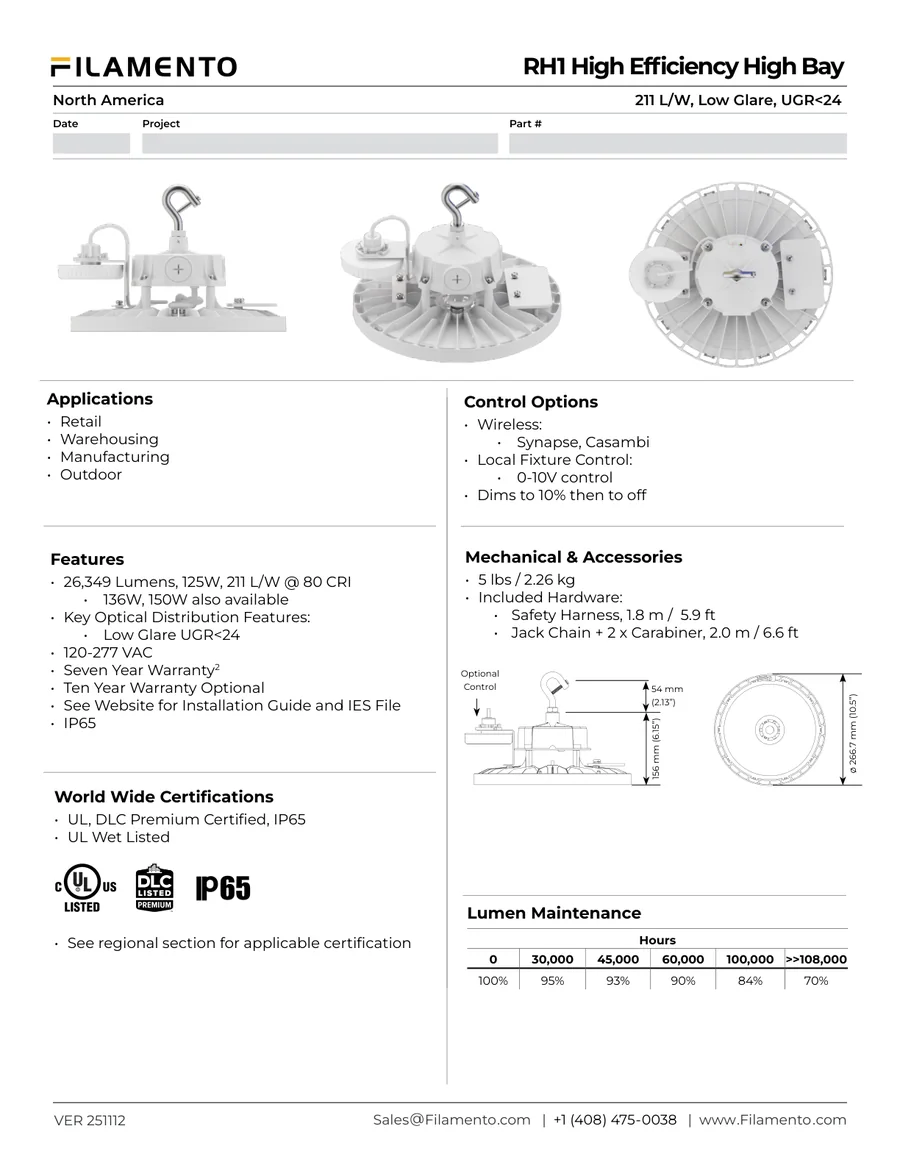
The client's data sheets are built around these renders: the product view, a dimensioned drawing, a table of figures. Because the renders have no background and share one scale, a new sheet needs no new work — only a choice of file.
Data sheets built around the same renders